





What's Happening?
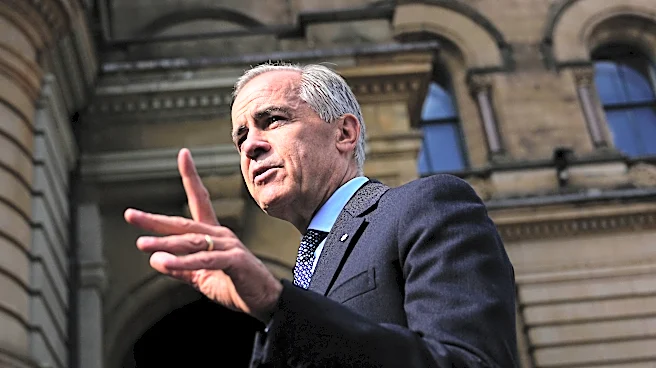
Governor Bob Ferguson has decided against removing two members of the Washington Fish and Wildlife Commission, Melanie Rowland and Lorna Smith, following an investigation into their conduct. The probe, initiated a year ago at the request of Department
of Fish and Wildlife Director Kelly Susewind, found that the commissioners violated public records and open meeting laws. Specifically, letters from the governor's office indicated their slow response to public records requests was 'particularly problematic' and their multiple meetings with parties suing the department undermined impartiality. Despite these findings and calls for their removal from groups like the Sportsmen's Alliance and the Conservation Coalition, Governor Ferguson has issued a warning. He stated that Rowland and Smith will face removal if they fail to comply with state transparency statutes and conflict of interest rules during the remaining months of their terms, which conclude on December 31.
Why It's Important?
This decision by Governor Ferguson carries significant implications for transparency and accountability within Washington state government and for the future of wildlife management. The controversy stems from a 2022 decision by the commission to halt recreational black bear hunting in the spring, which sparked allegations of misconduct. The governor's choice not to immediately remove the commissioners, despite an investigation confirming violations, could be perceived as a lack of strong enforcement against breaches of public trust. This situation highlights ongoing tensions between various advocacy groups, including hunters and conservationists, regarding the state's approach to wildlife policy. The outcome could influence public confidence in the commission's impartiality and the state's commitment to upholding open government laws, potentially setting a precedent for how similar misconduct allegations are handled in the future.
What's Next?
Commissioners Melanie Rowland and Lorna Smith are now under strict warning to adhere to state transparency statutes and conflict of interest rules until their terms end on December 31. Failure to comply will result in their removal. The governor's office has directed them to ensure 'prompt and comprehensive compliance' with the public records act, 'strict observance' of conflict of interest rules, and to recuse themselves from matters where personal or organizational relationships could create an appearance of conflict. They are also prohibited from making threats of retaliation against anyone involved in the investigation. This situation is unlikely to fully resolve the underlying tensions, as groups that advocated for their removal have expressed disappointment. The ongoing debate over wildlife management policies and the commission's decision-making process is expected to continue, potentially influencing future appointments and the commission's operational guidelines.
Beyond the Headlines
The controversy surrounding the Washington Fish and Wildlife Commission extends beyond individual misconduct, touching upon deeper issues of governance, public trust, and the influence of advocacy groups on state policy. The investigator's conclusion that the commissioners' behavior stemmed from a lack of training and understanding, rather than serious misconduct, points to potential systemic issues within state commissions regarding compliance with transparency laws. This raises questions about the adequacy of training and oversight for gubernatorial appointees. The intense lobbying and legal actions by groups like the Sportsmen's Alliance underscore the high stakes involved in wildlife management decisions and the increasing scrutiny public bodies face. The governor's decision, while avoiding immediate punitive action, places the onus on the commissioners to demonstrate compliance, highlighting the delicate balance between accountability and political considerations in state governance.