



What's Happening?
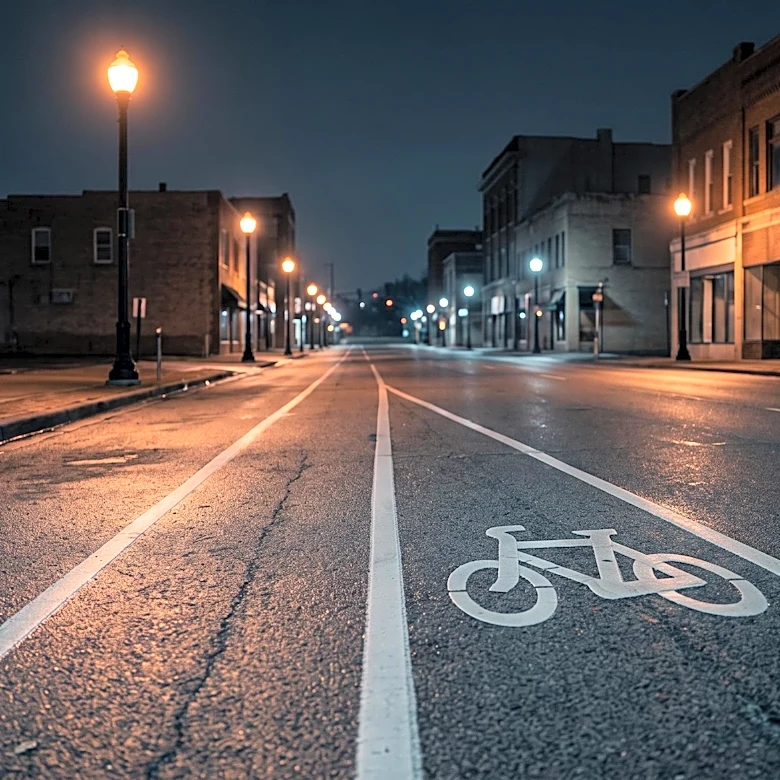
The Daytona Beach City Commission is evaluating a proposal to convert several one-way streets on the city's beachside into two-way roads. Mayor Derrick L. Henry hosted a meeting on September 2 to discuss this potential change, which would revert some
streets to their configuration from before the late 1980s. The streets under consideration include city-owned Wild Olive and Oleander avenues, and Earl Street, as well as state-owned Seabreeze and Oakridge boulevards. While city-owned streets are deemed inexpensive and easy to change, altering state-owned boulevards would require significant effort and involvement from the Florida Department of Transportation. Business owners largely support the change, citing improved accessibility and reduced confusion for customers, while some residents express concerns about increased traffic and speeding.
Why It's Important?
This initiative holds significant importance for Daytona Beach's local economy and urban planning. Business owners argue that the current one-way street layout deters customers and creates an unsafe driving environment, making it difficult for businesses to thrive. Converting to two-way streets could enhance customer access to shops and parking, potentially boosting local commerce. For instance, Tom Guest, a long-time property owner, highlighted how a 35-space city parking lot remains underutilized due to its inaccessibility under the current system. The proposed changes could also address safety concerns, as some business owners report frequent instances of drivers going the wrong way on one-way streets. However, residents like James Curylo on Wild Olive Avenue fear that increased traffic could negatively impact their quality of life, presenting a challenge for city planners to balance economic development with residential concerns.
What's Next?
The Daytona Beach City Commission will continue to deliberate on the proposed street conversions. City officials, led by David Waller, Director of Public Infrastructure and Capital Projects, plan to initiate discussions with the Florida Department of Transportation regarding changes to state-owned streets like Seabreeze and Oakridge boulevards. If the commission decides to proceed, the conversion of city-owned streets is expected to be relatively quick. For state-owned roads, the FDOT will need to evaluate the feasibility, potentially considering options such as limiting two-way traffic to the beachside portion of Seabreeze Boulevard before the bridge. Residents have also suggested conducting speed studies or installing speed bumps to mitigate potential speeding issues if two-way traffic is implemented, indicating that further community input and traffic analyses may be part of the next steps.
Beyond the Headlines
The debate over one-way versus two-way streets in Daytona Beach reflects a broader urban planning challenge faced by many cities: balancing historical street configurations with contemporary economic and safety needs. The original shift to one-way streets in the late 1980s likely aimed to improve traffic flow, but decades later, the unintended consequences for local businesses and driver confusion have become apparent. This situation highlights the dynamic nature of urban infrastructure and the necessity for cities to adapt to changing demographics and commercial landscapes. The discussion also touches on the complexities of inter-agency cooperation, as changes to state-owned roads require coordination with the Florida Department of Transportation, adding layers of bureaucracy and potential delays to local initiatives. Ultimately, the outcome in Daytona Beach could serve as a case study for other cities considering similar urban revitalization projects.