




What's Happening?
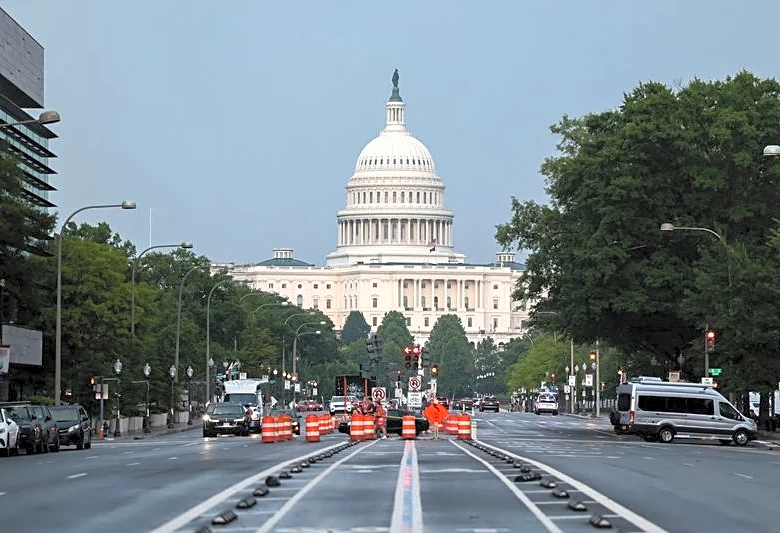
The House Financial Services Committee is scheduled to review H.R. 10184, known as the Consumer Financial Protection Accountability and Reform Act of 2026, on September 16, 2026. This comprehensive bill, introduced by U.S. Reps. Andy Barr (R-Ky.) and French
Hill (R-Ark.), aims to significantly restructure and reform the Consumer Financial Protection Bureau (CFPB). The legislation proposes changes to the CFPB's funding, governance, and regulatory enforcement mechanisms. Key provisions include increasing direct congressional oversight, revising the agency's funding and structure, expanding transparency and accountability requirements for rulemaking and enforcement, modifying supervisory authority, clarifying legal standards for consumer protection actions, updating civil penalty provisions, promoting coordination with other financial regulators, and establishing new protections for financial institutions. The bill also seeks to update consumer complaint processes and regulatory review mandates.
Why It's Important?
This proposed legislation is significant because it could fundamentally reshape the regulatory landscape for consumer financial protection in the U.S. The CFPB, established in the wake of the 2008 financial crisis, has been a central figure in regulating financial products and services. The bill's focus on increased congressional oversight and revised funding mechanisms could alter the agency's independence and operational capacity. For financial institutions, particularly debt collection agencies, asset buyers, and collection law firms, the reforms could alleviate long-standing operational pain points by creating a more transparent and predictable regulatory environment. Proponents argue that a more accountable CFPB, less subject to political swings, would benefit both businesses and consumers by fostering a stable financial framework and potentially reducing consumer inflation caused by over-regulation. Conversely, opponents might argue that weakening the CFPB's authority could leave consumers more vulnerable to predatory practices.
What's Next?
The House Financial Services Committee's review on September 16, 2026, marks a critical step for H.R. 10184. This committee meeting will involve a markup of various legislative measures, including this bill. Following committee review, the bill would need to pass both the House and the Senate and be signed into law by the President to take effect. The discussion surrounding the bill has already involved banking and financial technology executives, and further input from various stakeholders, including consumer advocacy groups and financial industry representatives, is anticipated. The outcome of this legislative effort could lead to significant changes in how consumer financial protection is administered in the U.S., potentially impacting millions of consumers and thousands of financial businesses. The debate will likely center on the balance between regulatory oversight and fostering a competitive financial market.
Beyond the Headlines
The push to restructure the CFPB reflects a broader ideological debate about the role and scope of federal regulatory agencies. Critics of the current CFPB structure often argue that its independence from congressional appropriations makes it less accountable and prone to overreach, leading to what they perceive as excessive regulation. Proponents, however, view the agency's independence as crucial for its effectiveness in protecting consumers from powerful financial institutions. This legislative effort could set a precedent for how other independent agencies are governed and funded, potentially influencing future debates on regulatory reform across various sectors. The long-term implications extend to consumer trust in financial markets, the competitiveness of U.S. financial services, and the overall stability of the economy. The bill's success or failure will be a barometer of the prevailing political sentiment regarding government intervention in the economy.