





What's Happening?
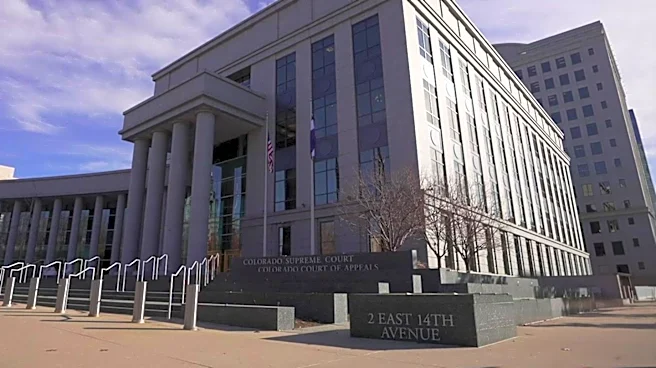
A federal appeals court in the United States has ruled that thousands of lawsuits against major social media companies, including Meta, Google, TikTok, and Snapchat, can proceed. These lawsuits, filed by states, municipalities, school districts, and individual
families, allege that these companies have designed their platforms to be addictive, contributing to mental health issues such as depression and anxiety among American youth. The companies attempted to halt the litigation by arguing that Section 230 of the Communications Decency Act of 1996 shields them from such claims. However, the court rejected this defense, stating that the appeal was premature as it was brought before a trial had concluded. This decision follows a recent jury verdict in Los Angeles that found Meta and Google negligent, awarding $6 million to a woman who claimed addiction to Instagram and YouTube as a child.
Why It's Important?
The court's decision to allow these lawsuits to proceed is significant as it challenges the longstanding legal protections that social media companies have relied upon under Section 230. This ruling could set a precedent for holding tech companies accountable for the design and operation of their platforms, particularly in relation to their impact on mental health. The outcome of these cases could lead to increased regulatory scrutiny and potential changes in how social media platforms are designed and marketed, especially to younger audiences. The decision also highlights growing concerns about the role of social media in public health and the responsibility of tech companies to mitigate harm.
What's Next?
With the court's decision, the lawsuits will move forward, potentially leading to trials that could reveal internal company knowledge about the addictive nature of their platforms. A trial involving 29 state attorneys general against Meta is set to begin soon, focusing on allegations of illegal data collection and misleading safety claims. The outcomes of these trials could influence future legislation and regulatory measures aimed at protecting young users from the negative effects of social media. Additionally, the companies may face increased pressure to implement safety measures and transparency regarding their platform designs.