


What's Happening?
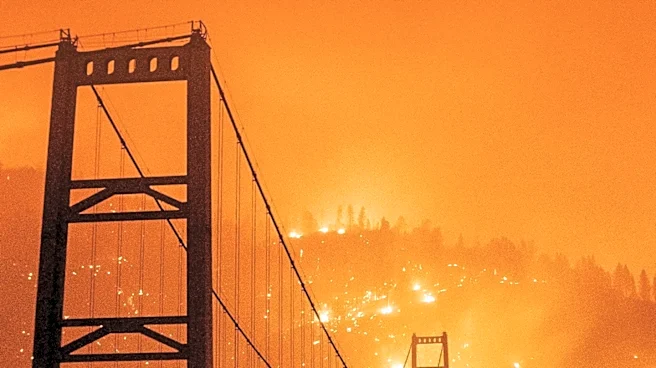
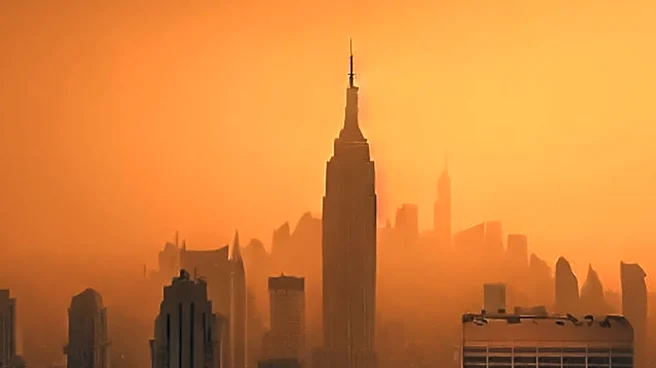
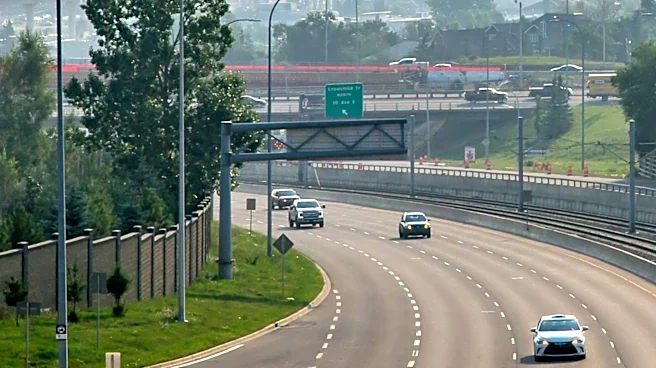
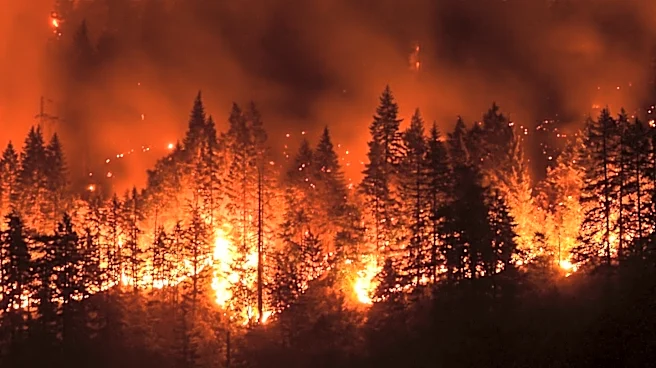
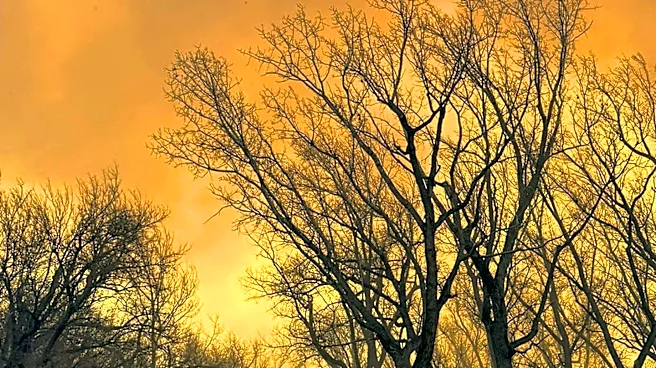
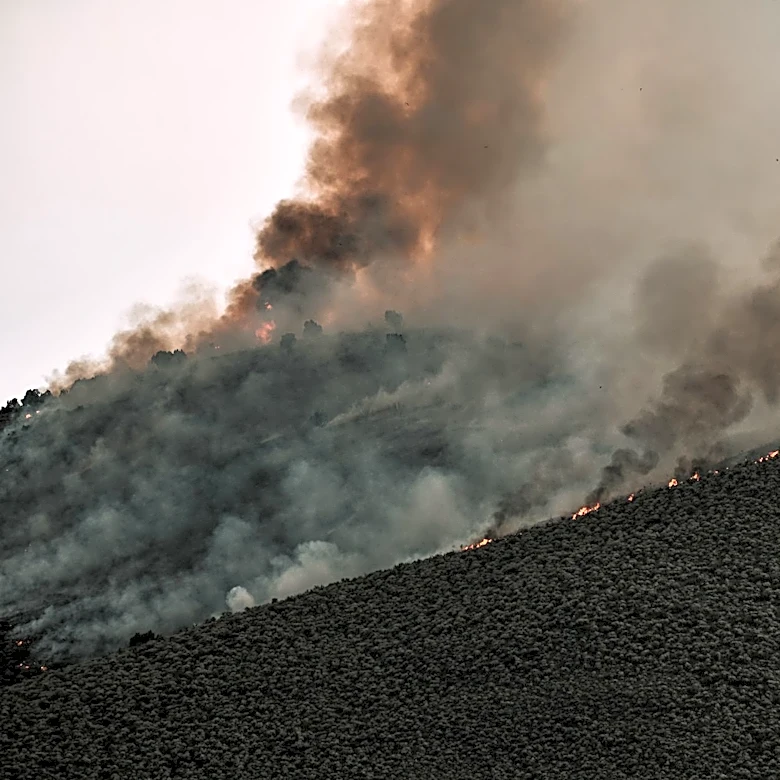
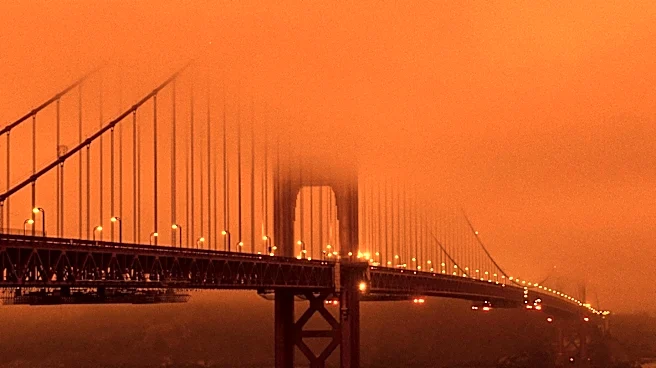
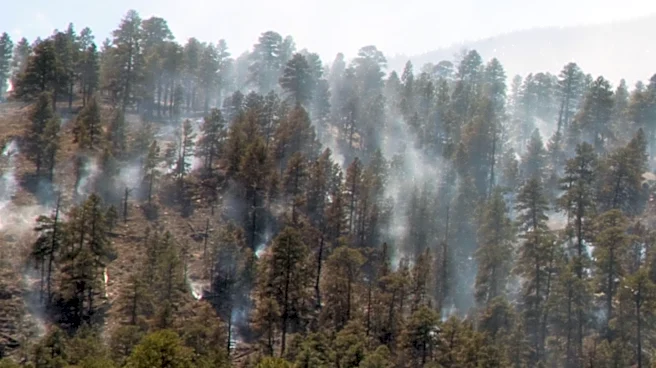
Illinois is experiencing deteriorating air quality due to smoke from over 900 wildfires burning across Canada. The fires have released large amounts of PM2.5, a harmful pollutant, into the atmosphere, affecting air quality in the Midwest. The situation
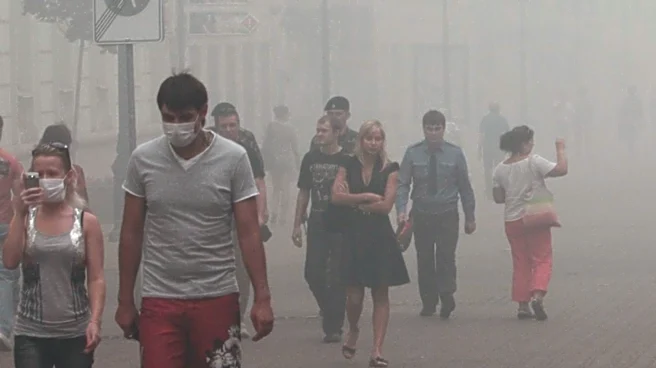
is exacerbated by unpredictable wind patterns that carry the smoke southward. Experts warn that such air quality issues may become more frequent as climate change intensifies, leading to more severe and widespread wildfires. The Illinois Environmental Protection Agency has issued warnings about the health risks posed by the smoke, particularly for sensitive groups such as those with respiratory conditions.
Why It's Important?
The ongoing air quality issues highlight the interconnectedness of environmental events across borders and the broader implications of climate change. The health risks associated with poor air quality are significant, affecting not only those with pre-existing conditions but also the general population. This situation underscores the need for international cooperation in addressing climate change and its impacts. It also calls for increased public health preparedness and adaptation strategies to protect vulnerable populations from the adverse effects of air pollution.
What's Next?
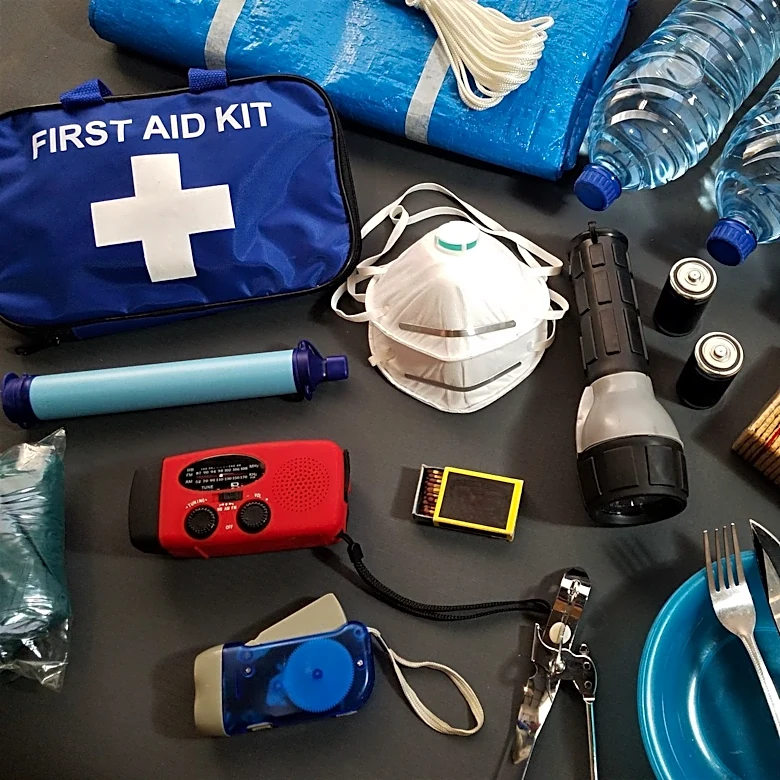
As wildfires continue to burn, Illinois and other affected regions may need to implement more robust air quality monitoring and public health advisories. Long-term, there may be a push for policies aimed at reducing emissions and enhancing forest management practices to prevent future wildfires. Additionally, public awareness campaigns could be crucial in educating residents about protective measures during periods of poor air quality.