






What's Happening?
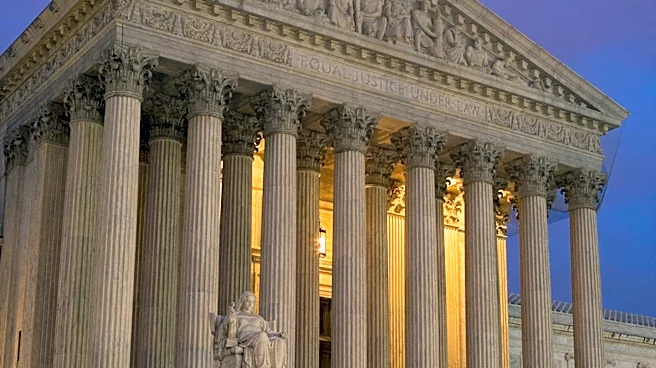
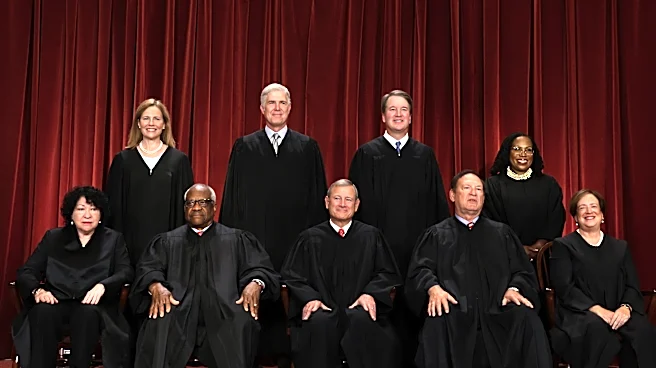
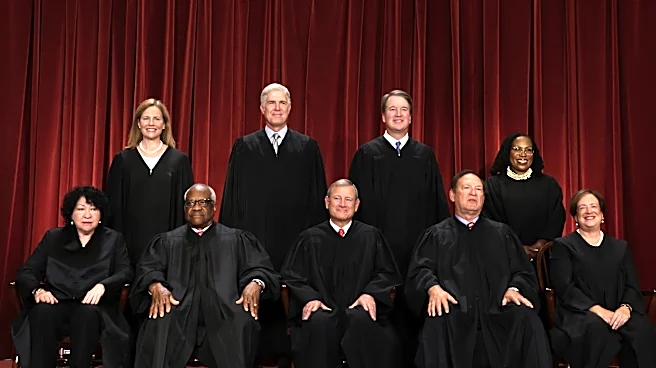
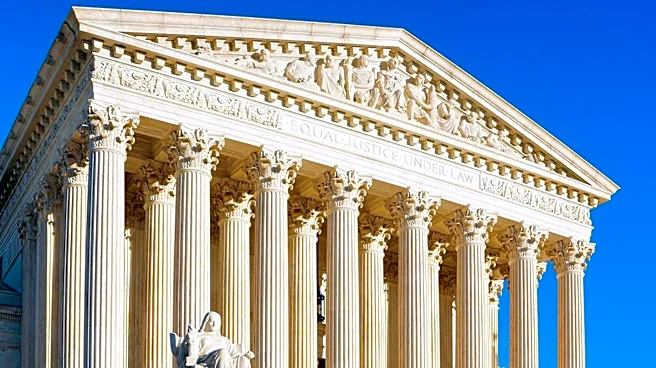
The U.S. Supreme Court, led by Chief Justice John Roberts, issued two significant rulings that appear to contradict each other. In Trump v. Slaughter, the court ruled 6-3 to abolish the independence of federal agencies, allowing President Trump to dismiss
their leaders at will. Conversely, in Trump v. Cook, the court ruled 5-4 to maintain the Federal Reserve's independence, preventing the president from removing its leaders without cause. These decisions highlight a complex and seemingly inconsistent approach to presidential power, with the Federal Reserve being uniquely protected from executive influence.
Why It's Important?
These rulings have profound implications for the balance of power within the U.S. government. By allowing the president to dismiss agency leaders, the court's decision in Trump v. Slaughter could lead to increased political control over agencies that are meant to operate independently. This could affect their ability to make unbiased decisions in areas such as public health, consumer protection, and labor rights. The exception made for the Federal Reserve underscores its critical role in maintaining economic stability, suggesting that its independence is deemed essential to prevent market disruptions.
What's Next?
The rulings may prompt further legal and political debates about the scope of presidential power and the independence of federal agencies. Lawmakers and legal scholars might seek to clarify or challenge the court's decisions to ensure that agencies can function effectively without undue political influence. The decisions could also influence future appointments and dismissals within the federal government, as stakeholders navigate the new legal landscape established by the court.
Beyond the Headlines
The court's decisions reflect broader tensions between executive power and agency independence, raising questions about the role of the judiciary in shaping government structure. The rulings may also impact public trust in the impartiality and effectiveness of federal agencies, as their leaders could be subject to political pressures. This development highlights the ongoing debate over the separation of powers and the need to balance executive authority with the autonomy of independent agencies.