



What's Happening?
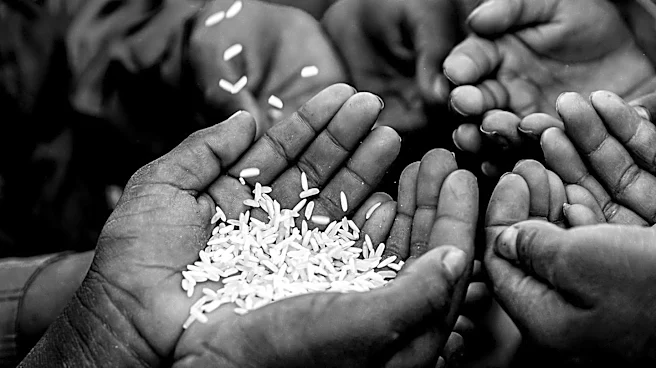
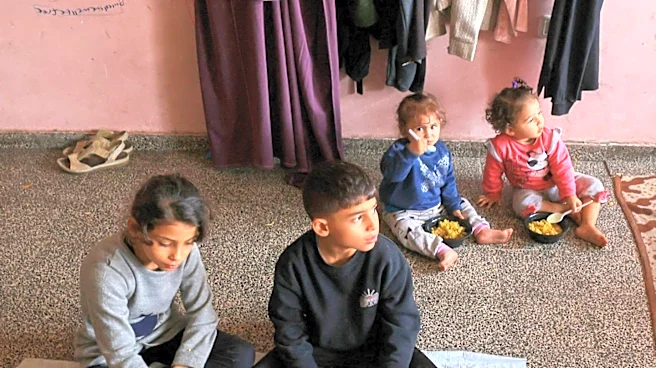
The United Nations Children’s Fund (UNICEF) has reported that 3.7 million children in Afghanistan are currently suffering from acute malnutrition. Of this number, 1.65 million children are in critical condition, indicating a severe humanitarian crisis.
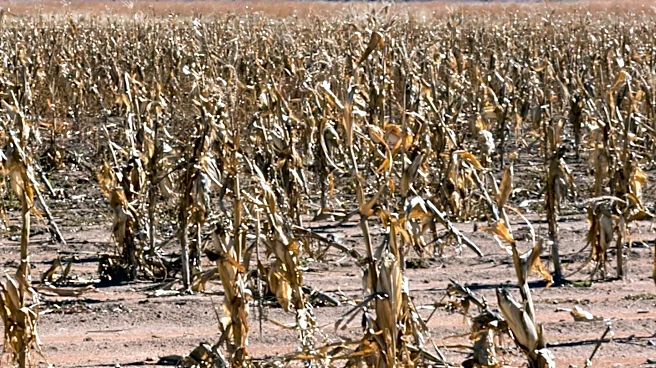
UNICEF released this information on Wednesday, November 11, highlighting the dire situation faced by the nation's youngest population. The organization further stated that climate change and prolonged drought conditions have significantly worsened food insecurity across Afghanistan. Despite Afghanistan contributing minimally to global greenhouse gas emissions, it is disproportionately affected by the consequences of climate change, which exacerbates existing vulnerabilities and makes it harder for families to access adequate food and nutrition. The report underscores the urgent need for international attention and resources to address this escalating crisis.
Why It's Important?
The widespread acute malnutrition among Afghan children represents a profound humanitarian crisis with long-term consequences for the country's future. Malnutrition in early childhood can lead to irreversible physical and cognitive damage, impacting educational attainment, productivity, and overall societal development. The critical condition of 1.65 million children signals an immediate threat to life and requires urgent medical and nutritional interventions. The link drawn by UNICEF between climate change and food insecurity highlights a growing global challenge where vulnerable nations bear the brunt of environmental degradation caused by others. This situation could lead to increased mortality rates, a generation with compromised health, and further instability in a region already facing numerous challenges. The call for sustained funding and action at international climate summits emphasizes the interconnectedness of climate justice and humanitarian aid.
What's Next?
UNICEF has issued a stark warning that acute malnutrition in Afghanistan will continue to worsen unless immediate and sustained funding is secured from the international community. The organization is actively calling on world leaders to take decisive action at the upcoming COP31 climate summit. The primary objective of this call to action is to protect vulnerable communities, such as those in Afghanistan, from the devastating impacts of climate change, which are directly contributing to the food insecurity crisis. Without substantial financial support and concerted global efforts to mitigate climate change effects, the number of malnourished children is expected to rise, further straining humanitarian efforts and exacerbating the suffering of the Afghan population. The focus will be on securing commitments for both humanitarian aid and climate resilience initiatives.
Beyond the Headlines
The situation in Afghanistan underscores a critical ethical and global responsibility. The disproportionate impact of climate change on countries like Afghanistan, which have minimal contributions to global emissions, highlights issues of climate justice. Wealthier nations, historically larger emitters, face a moral imperative to support vulnerable populations suffering from climate-induced crises. Beyond immediate aid, there is a need for long-term strategies that build resilience against climate shocks, including sustainable agricultural practices, water management, and early warning systems for droughts. The crisis also exposes the fragility of food systems in conflict-affected regions, where political instability often compounds environmental challenges. Addressing child malnutrition in Afghanistan requires a holistic approach that integrates humanitarian assistance, climate adaptation, and peace-building efforts to create sustainable solutions for the affected communities.