


What's Happening?
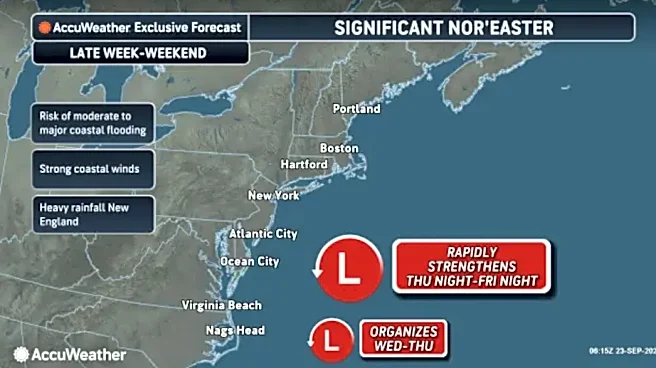
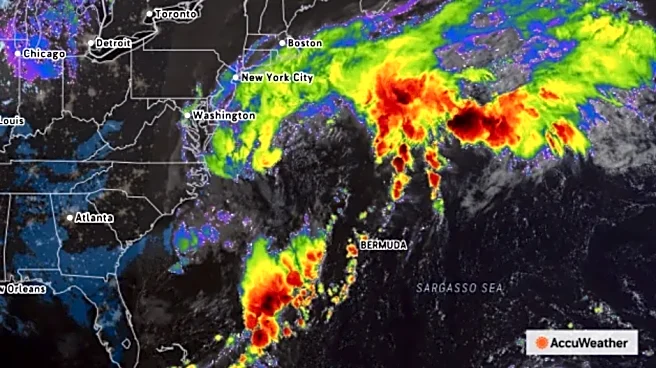
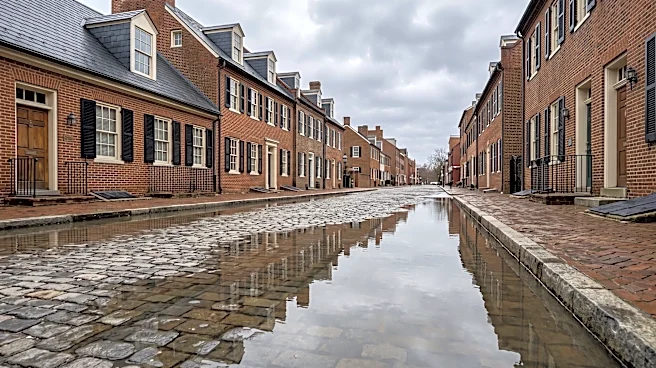
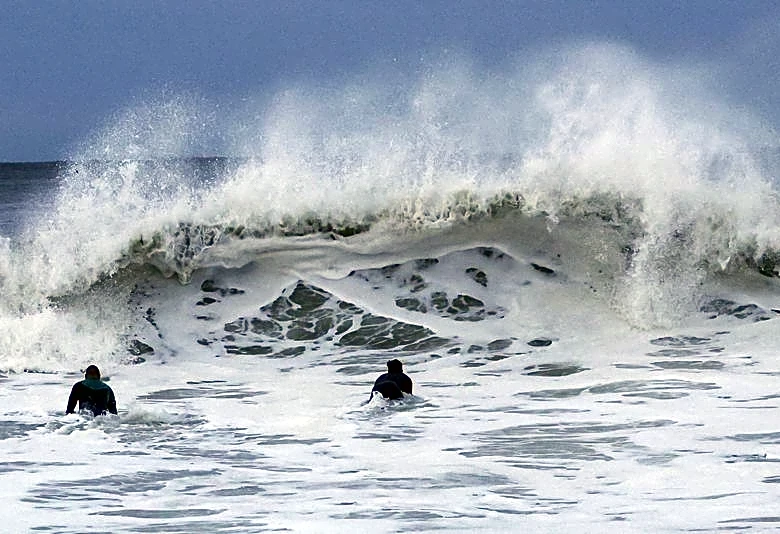
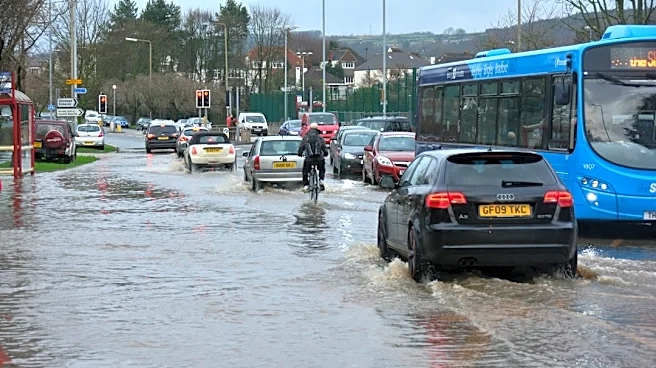
A nor'easter is currently bringing significant coastal flooding to the East Coast, impacting areas from Virginia to Maryland. In Old Town Alexandria, Virginia, abnormally high tides led to the Potomac River overflowing its banks early Thursday morning,
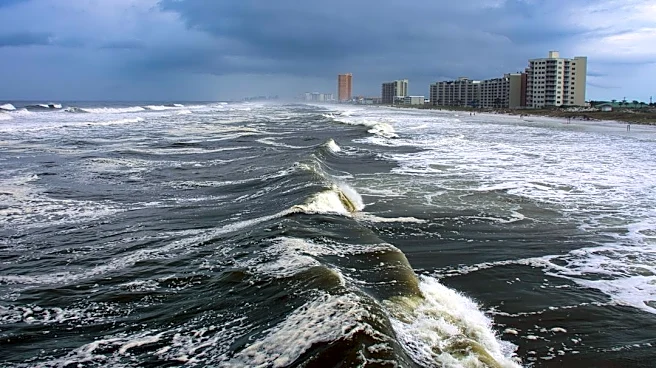
covering streets like the Strand and the end of King Street with inches of water. While no flooding into businesses or buildings has been reported, parks and some roads are affected. The National Weather Service indicates tides are 2 to 2.5 feet higher than normal in Old Town. Further north, in Ocean City, Maryland, the popular Oceans Calling music festival has canceled all Friday events due to strong winds and coastal flooding, which prevented organizers from safely setting up. Organizers stated that beach erosion also contributed to the decision, prioritizing safety for attendees, artists, and crew. Refunds for Friday tickets and a portion of three-day tickets will be issued within 30 days. Coastal flood warnings and advisories have been issued for Washington, D.C., and several counties in Maryland and Virginia through the weekend.
Why It's Important?
This coastal flooding event highlights the vulnerability of East Coast communities to weather phenomena like nor'easters, especially when combined with high astronomical tides. The disruption to daily life, including road closures and event cancellations, has immediate economic and social impacts. For Old Town Alexandria, a historic and tourist-heavy area, even minor flooding can deter visitors and affect local businesses, though residents are accustomed to such occurrences. The cancellation of the Oceans Calling festival in Ocean City represents a significant financial loss for organizers, vendors, and the local tourism industry, which relies heavily on such events. It also underscores the challenges event planners face in coastal regions due to unpredictable weather patterns and the increasing need for robust contingency plans. The ongoing coastal flood warnings emphasize the persistent threat to infrastructure and public safety in these low-lying areas, prompting local authorities to monitor conditions closely and advise residents on safety measures.
What's Next?
Emergency management teams in Old Town Alexandria will continue to monitor conditions, particularly during upcoming high tides expected through the weekend. Residents are advised to remain vigilant and adjust their travel plans as necessary. In Ocean City, festival organizers will assess the weather to determine if the remaining days of the Oceans Calling festival can proceed, with safety being the primary concern. Authorities in Washington, D.C., Maryland, and Virginia will maintain coastal flood warnings and advisories, urging residents to stay informed about local conditions and avoid driving or walking through floodwaters. The focus will be on post-event cleanup in affected areas and evaluating any damage once the waters recede. This event may also prompt further discussions on long-term coastal resilience strategies and infrastructure improvements to mitigate the impact of future flooding events in these vulnerable regions.
Beyond the Headlines
The recurring nature of coastal flooding in areas like Old Town Alexandria, as described by residents, points to a broader challenge of adapting to environmental changes. While residents have developed coping mechanisms, such as knowing where to park and offering assistance to neighbors, these events underscore the increasing strain on urban infrastructure and community resilience. The economic impact of canceled events like the Oceans Calling festival extends beyond immediate revenue loss, potentially affecting future tourism and investment in coastal communities. This situation also brings to light the need for improved early warning systems and public education on flood safety, including the dangers of contaminated floodwaters. The long-term implications involve evaluating the sustainability of development in flood-prone areas and the necessity of significant investment in protective measures, such as sea walls and improved drainage systems, to safeguard coastal economies and populations against more frequent and intense weather events.