





What's Happening?
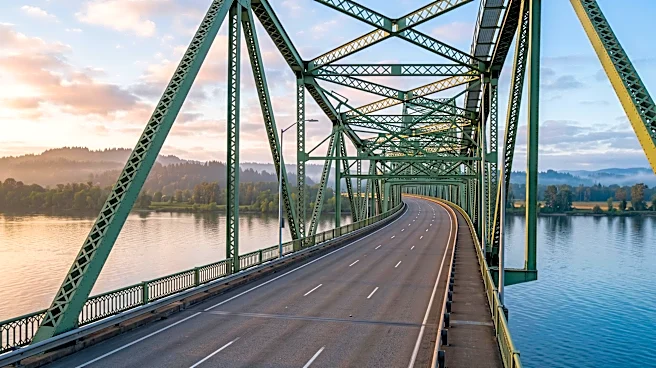
U.S. Representative Maxine Dexter was among the featured speakers at the 25th annual 'Hands Across the Bridge' event, which took place over Labor Day weekend. Hundreds of participants gathered on the Interstate 5 Bridge, connecting Portland, Oregon, and Vancouver,
Washington, to mark the event's quarter-century milestone. This annual tradition brings together recovery communities from both states and serves as the kickoff for National Recovery Month in the region. The gathering originated in 2001 with Patty Katz and Louise Wedge, both former heroin users who met at Portland's Hooper Detox Center, aiming to celebrate their recovery. The first official event in 2002 drew approximately 200 people and has since grown to attract thousands annually. This year, Portland-area participants met at the Jantzen Beach Holiday Inn, while Washington community members started at Esther Short Park, with both locations offering food, vendors, and personal recovery stories. After the bridge event, attendees returned to Esther Short Park for an afternoon celebration themed 'Recovery is for everyone. Every person, every family, every community.'
Why It's Important?
The 'Hands Across the Bridge' event, with the participation of U.S. Representative Maxine Dexter, highlights the ongoing national effort to combat addiction and support recovery. The event's 25th anniversary underscores the long-term commitment of communities in the Pacific Northwest to address substance use disorders and reduce the associated stigma. This year's event is particularly significant given the recent policy changes in Oregon, where House Bill 4002 reinstated misdemeanor criminal penalties for small-scale drug possession while establishing deflection programs for treatment. This legislative shift reflects a broader national debate on how best to tackle the addiction crisis, balancing punitive measures with public health approaches. The event also draws attention to provisional health data indicating a nearly 25% drop in Oregon's drug overdose deaths in 2024 and 2025, even as fentanyl and methamphetamine continue to be major contributors. The continued high rates of non-fatal overdoses and alcohol dependency emphasize the persistent challenges faced by recovery providers and the importance of community-led initiatives like 'Hands Across the Bridge' in fostering support and awareness.
What's Next?
The 'Hands Across the Bridge' event will continue to serve as an annual platform for recovery advocacy, aiming to challenge addiction stigmas and raise awareness for the recovery community. The leadership of the project, now managed by a volunteer board of directors following the passing of its founders, will likely continue to expand its reach and impact. The ongoing Interstate Bridge Replacement Program, a $6 billion to $7.5 billion project to replace the aging I-5 Bridge, suggests that future anniversaries of the event may take place on a newly constructed crossing, potentially offering enhanced facilities for participants. Furthermore, the impact of Oregon's House Bill 4002, which took effect on September 1, 2024, will be closely monitored. The bill's effectiveness in diverting individuals into treatment while addressing public drug use and rising overdoses will be a key focus for policymakers and recovery advocates. The event's role in kicking off National Recovery Month also means continued efforts throughout September to promote mental health and addiction recovery awareness nationwide.
Beyond the Headlines
The 'Hands Across the Bridge' event transcends a simple gathering; it represents a powerful symbol of hope and resilience in the face of the national addiction crisis. The participation of a U.S. Representative like Maxine Dexter elevates the event's profile, signaling political recognition of the importance of community-led recovery efforts. The historical context of the event, founded by two women in recovery, highlights the profound personal journeys that often drive such initiatives and the lasting legacy individuals can create. The event's focus on uniting communities across state lines underscores the universal nature of addiction and recovery, emphasizing that these challenges require collaborative, multi-faceted solutions. Moreover, the discussion around Oregon's evolving drug policy, particularly the balance between criminal penalties and treatment, reflects a broader societal shift in understanding addiction not just as a criminal issue but as a public health crisis. The event's continued success, even as the physical bridge it occupies faces transformation, speaks to the enduring human need for connection, support, and shared purpose in overcoming adversity.