



What's Happening?
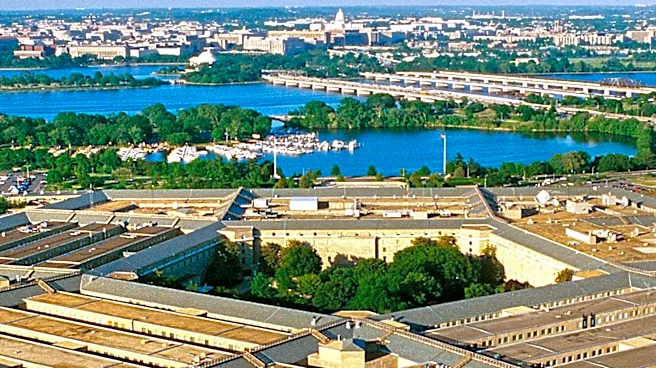
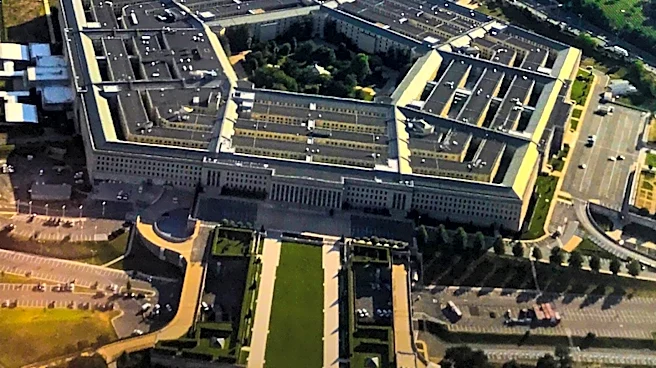
The Pentagon has named Christian Devine, a public affairs executive, as the acting publisher for Stars and Stripes, the military newspaper. This appointment was confirmed through an internal memo dated October 8, obtained by Axios. Devine will report
directly to a senior public affairs official within the Pentagon. His tenure is temporary, serving until a permanent publisher is selected. The memo specifies that Devine is tasked with delegating management responsibilities to the military deputy to the publisher. This delegation is intended to ensure that both the business and editorial operations of Stars and Stripes adhere to departmental instructions and guidelines. The move comes at a time when there are ongoing discussions and concerns regarding the editorial independence of the newspaper, a long-standing issue for the publication.
Why It's Important?
The appointment of a public affairs executive to lead Stars and Stripes, even on an acting basis, raises significant questions about the newspaper's journalistic autonomy. Stars and Stripes has historically served as an independent voice for military personnel, providing news and information without direct editorial control from the Department of Defense. Placing a Pentagon public affairs official in a leadership role, particularly one who reports to a senior public affairs officer, could be perceived as a move to exert greater influence over the paper's content. This could undermine the credibility of Stars and Stripes among its readership—active-duty service members, veterans, and their families—who rely on it for unbiased reporting. The situation highlights the delicate balance between military oversight and journalistic freedom, and the potential for this appointment to impact the paper's ability to report critically on military affairs and leadership.
What's Next?
The immediate next step will be the search for a permanent publisher for Stars and Stripes. During Christian Devine's acting tenure, the focus will likely be on how he navigates the directive to ensure compliance with departmental instructions while maintaining the paper's perceived editorial independence. Stakeholders, including military personnel, veterans' organizations, and press freedom advocates, will be closely monitoring the paper's content and any potential shifts in its editorial stance. The process of selecting a permanent publisher will be critical, as it will signal the Pentagon's long-term intentions regarding the newspaper's autonomy. Any perceived attempts to control or influence editorial decisions could lead to increased scrutiny and public debate about the role and future of Stars and Stripes.
Beyond the Headlines
This development touches upon broader themes of press freedom within government-funded institutions and the challenges of maintaining journalistic integrity when the publisher is directly tied to the entity being covered. The historical tension between Stars and Stripes' mission to serve its readership with independent news and its funding and oversight by the Department of Defense is a recurring issue. This appointment could set a precedent for how military-affiliated media outlets are managed, potentially influencing other similar publications. It also raises ethical considerations about the role of public affairs professionals in editorial leadership positions, particularly when their primary function is to manage public perception. The long-term impact could be a re-evaluation of the structural relationship between the Pentagon and Stars and Stripes, potentially leading to calls for greater institutional safeguards to protect the paper's independence.