









What's Happening?
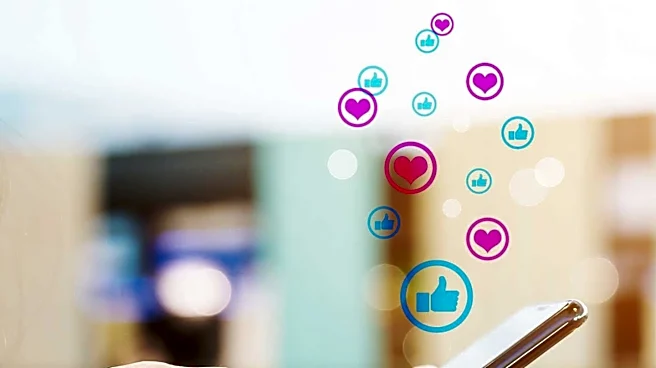
A recent study published in the journal JAMA highlights the growing reliance of Americans on social media for health information. The study found that over 1 in 5 adults in the U.S. have made health decisions based on information encountered on social media platforms.
Despite the convenience and accessibility of social media, there are significant concerns about the reliability of the information, as platforms often do not distinguish between expert advice and personal opinions. The study also noted that older adults and Hispanic users are more likely to make health decisions based on social media content.
Why It's Important?
The increasing use of social media for health information underscores a shift in how people access medical advice, which could have significant implications for public health. While social media can democratize access to health information, it also poses risks of spreading misinformation, which can lead to poor health decisions. This trend highlights the need for improved digital literacy and critical evaluation skills among users to discern credible sources. The findings suggest a potential gap in traditional healthcare communication, where patients may not receive sufficient information during medical consultations, prompting them to seek answers online.
What's Next?
As social media continues to play a significant role in health information dissemination, there may be increased calls for platforms to implement stricter content moderation policies to prevent the spread of misinformation. Healthcare professionals and organizations might also need to engage more actively on social media to provide accurate and evidence-based information. Additionally, there could be a push for educational initiatives aimed at improving the public's ability to critically evaluate online health information.