







What's Happening?
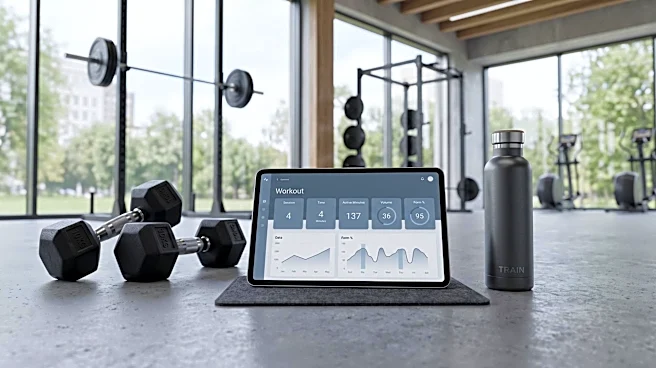
Wearable health technology, including smartwatches and other devices, is increasingly being integrated into telemedicine, allowing for the real-time tracking of physiological and behavioral data. These devices monitor activity, heart rate, sleep patterns,
and other measurements, providing healthcare providers with continuous information between appointments. This advancement moves beyond traditional video and telephone consultations, expanding into a broader digital healthcare experience that includes remote monitoring, connected medical devices, and artificial intelligence. While these consumer wearable devices offer valuable insights, they are not yet considered medical diagnostic tools, and any concerning readings should be discussed with a healthcare professional. The goal is to enhance patient care by making health information more accessible and efficient, without replacing the critical role of in-person evaluations when necessary.
Why It's Important?
The integration of wearable health technology into telemedicine is significant for the U.S. healthcare system as it promises to revolutionize patient care and management of chronic conditions. By providing continuous data, these devices can offer a more comprehensive understanding of a patient's health patterns, enabling more personalized treatment recommendations. This is particularly beneficial for individuals managing ongoing health conditions, as providers can receive updates between visits, potentially leading to earlier interventions and improved outcomes. The shift towards digital health platforms and remote monitoring can also address healthcare access issues, especially for those in remote areas or with transportation difficulties. However, challenges remain regarding the accuracy of consumer devices, data privacy, cybersecurity, and ensuring equitable access to technology for all populations.
What's Next?
The future of telemedicine will likely see a deeper integration of wearable technology, making it a more routine part of healthcare. Patients can expect more options for home monitoring and digital communication with healthcare teams. The development of more sophisticated wearable devices and connected medical equipment will continue, offering even more precise and unobtrusive data collection. Healthcare providers will increasingly utilize these digital tools to support clinical judgment, rather than replace it, focusing on how technology can make care more accessible and efficient. Addressing challenges such as interoperability between platforms, data security, and regulatory frameworks will be crucial for the widespread adoption and effectiveness of these technologies in the coming years.
Beyond the Headlines
The rise of wearable health technology in telemedicine brings forth several deeper implications. Ethically, it raises questions about data ownership, consent, and the potential for algorithmic bias in health recommendations. Legally, there's a growing need for clear regulations regarding the use of consumer-grade health data in medical contexts, especially concerning diagnosis and treatment. Culturally, it signifies a shift towards a more proactive and data-driven approach to personal health, empowering individuals with more information about their bodies. However, it also highlights the digital divide, as reliable internet access, affordable devices, and digital literacy are essential for participation, potentially exacerbating existing healthcare disparities if not addressed thoughtfully. The long-term impact will depend on how effectively these technologies can be integrated while maintaining human-centered care and ensuring equitable access.