





What's Happening?
Federal agents briefly detained and subsequently released a U.S. citizen in Evanston, Illinois, on Sunday morning. The incident occurred on Howard Street, near the Chicago-Evanston border, after an unknown caller reported an argument and a statement about
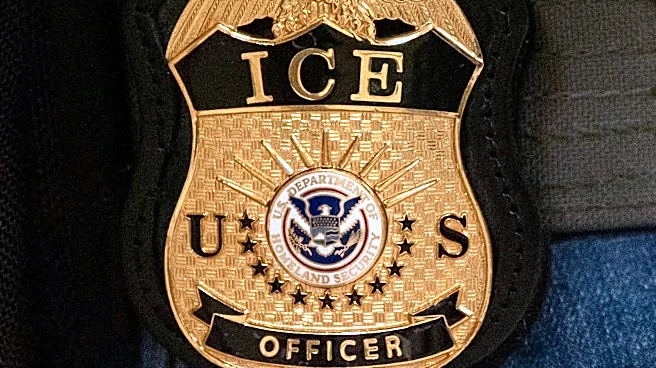
an individual being taken into custody. Evanston police officers, responding to the scene, found an adult male on the ground with injuries to his head, neck, and teeth. Witnesses informed officers that individuals believed to be U.S. Immigration and Customs Enforcement (ICE) agents had attempted to apprehend him. Mayor Daniel Biss confirmed the man's U.S. citizenship and his release after being treated for minor injuries at St. Francis Hospital. An Evanston police officer encountered two SUVs with individuals in plain clothes and vests marked 'POLICE' with federal law enforcement markings. One individual identified himself as a federal agent conducting a fugitive investigation, stating they had attempted to identify someone resembling a person they were seeking. The agent claimed the individual resisted detention after refusing to provide identification and was released once agents determined he was not the person they sought and confirmed his U.S. citizenship. The Illinois Coalition for Immigrant and Refugee Rights (ICIRR) had reported sightings of federal agents in the area prior to this incident.
Why It's Important?
This incident highlights ongoing tensions and concerns regarding federal law enforcement operations, particularly those involving immigration and fugitive investigations, within local communities. The detainment of a U.S. citizen, even if brief and ultimately resolved, raises questions about identification protocols, the use of force, and the potential for mistaken identity during such operations. The involvement of local police and the subsequent investigation by the Evanston Police Department (EPD) underscore the complexities of jurisdiction and cooperation between federal and local authorities. The reported presence of federal agents in Evanston and nearby Skokie, as noted by the ICIRR, suggests a sustained federal law enforcement presence in the region, which can impact community trust and civil liberties. The incident also brings to the forefront the challenges faced by individuals who may be targeted in such operations, particularly concerning their rights and safety, and the role of community advocacy groups in monitoring these activities.
What's Next?
The Evanston Police Department is continuing its investigation into the incident. This includes conducting a video canvass, preserving body-worn camera and in-car video footage, and collecting photographs and videos from witnesses and community members. The Department of Homeland Security has not yet responded to requests for comment, indicating a potential for further statements or investigations from the federal side. The outcome of the EPD's investigation could lead to policy reviews, increased scrutiny of federal agent conduct in local jurisdictions, or potentially legal actions. Community groups and civil liberties advocates are likely to monitor the investigation closely and may advocate for greater transparency and accountability from federal agencies operating within Evanston. The incident may also prompt discussions between local and federal authorities regarding protocols for future operations to prevent similar occurrences and ensure the rights of citizens are protected.
Beyond the Headlines
The incident in Evanston touches upon broader themes of federal overreach, community policing, and the rights of individuals in the face of law enforcement actions. The reported fear of federal agents being attacked by protesters, as stated by an agent, points to a growing distrust and animosity between some communities and federal authorities, particularly concerning immigration enforcement. This dynamic can erode public confidence in law enforcement and create an environment of fear and suspicion. The incident also underscores the importance of clear communication and coordination between federal and local police departments to avoid misunderstandings and ensure public safety. Furthermore, the case highlights the critical role of local officials, such as Mayor Daniel Biss, in advocating for their constituents and holding federal agencies accountable for their actions within city limits. The long-term implications could include increased calls for local ordinances or policies to regulate federal law enforcement activities or greater community organizing to monitor and respond to such incidents.