




What's Happening?
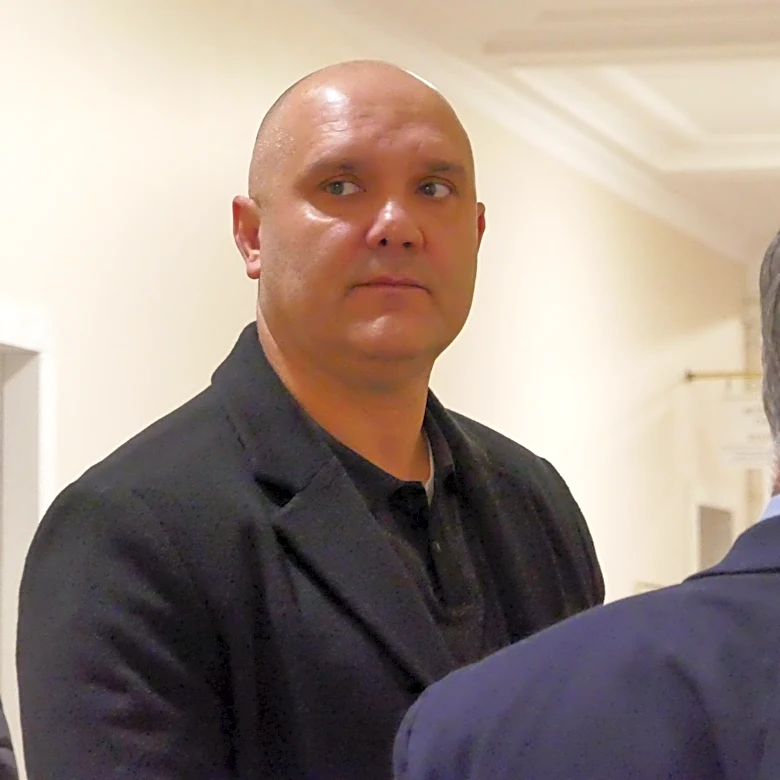
Pennsylvania State Senator James Malone, a Democrat representing Lancaster County’s 36th District, is under scrutiny for his activity on Tumblr while co-sponsoring legislation to impose a 10% tax on online adult content. Malone, who uses the username
'sasquatchwyo73' on Tumblr, has liked bondage-themed artwork, sexually suggestive photos, and lesbian fan art. His campaign confirmed the account belongs to him. This comes as Malone is a co-sponsor of SB 1246, a bill that would levy a 10% tax on subscriptions to websites hosting adult content. Republicans have highlighted Malone's Tumblr activity, including Dungeons & Dragons fan fiction he has been writing, featuring female characters in a romantic and sexual relationship. Malone's campaign manager, Jake Dupont, confirmed Malone authored the stories but did not address the broader content of the account. Neither Malone's campaign nor his senate office responded to inquiries regarding the consistency of his Tumblr activity with the adult content tax legislation.
Why It's Important?
This situation is important as it raises questions about the judgment and character of a public official, particularly in the context of legislation they are supporting. Senator Malone's co-sponsorship of a bill to tax online adult content, while simultaneously engaging with similar content on his personal social media, creates an apparent contradiction that could undermine public trust and the credibility of the legislative effort. For the 36th District race, which is closely watched and crucial for Democrats to potentially reclaim a Senate majority, this controversy could significantly impact voter perception. Republicans are already using Malone's online activity to question his values and suitability for public office, potentially swaying voters in a district described as among the most religiously observant in Pennsylvania. The outcome of this scrutiny could influence the election results and the broader political landscape in the state.
What's Next?
The immediate next steps will likely involve continued public and media attention on Senator Malone's Tumblr activity and his stance on the adult content tax legislation. Republicans are expected to continue using this issue in their campaign against Malone, potentially through further television ads and mailers. Malone's campaign will need to formulate a more direct response to the apparent contradiction, beyond confirming authorship of fan fiction. The debate around SB 1246 itself may also intensify, with opponents potentially using Malone's situation to argue against the bill's merits or the motivations behind it. Voters in the 36th District will be evaluating these developments as they head to the polls, and the controversy could be a significant factor in their decision-making process. The broader implications for how public officials' online activities are scrutinized in relation to their legislative work will also be a point of discussion.
Beyond the Headlines
Beyond the immediate political implications, this incident highlights the increasing intersection of public officials' private online lives and their public duties. In an age where digital footprints are extensive and easily discoverable, the personal interests and online behaviors of lawmakers can become subjects of public debate, especially when they appear to conflict with their legislative actions. This raises ethical questions about the standards of conduct expected from elected officials and the extent to which their personal online activities should be scrutinized. It also underscores the challenges of maintaining a consistent public image and private life for those in public service. The controversy could also spark broader discussions about the nature of online content, censorship, and taxation, particularly concerning adult material, and how these issues are perceived and legislated in a society with diverse values and online habits.