



What's Happening?
Latin America's e-commerce market is poised for significant transformation in 2026, with a focus on profitability, operational reliability, and technological adaptation. The region's e-commerce volume is expected to exceed $200 billion, driven by increased
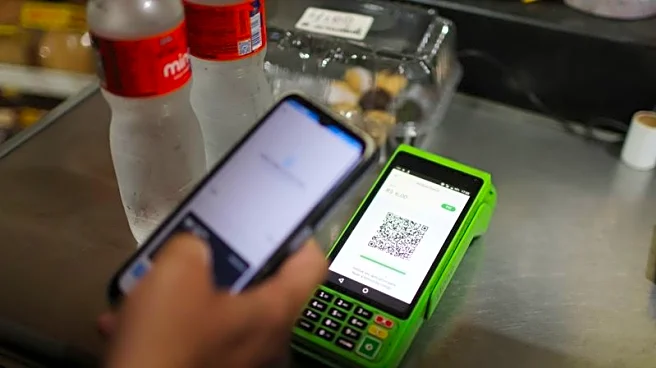
mobile penetration and digital payment methods. Brazil and Mexico lead the market, while Colombia, Peru, and Argentina show rapid growth. Marketplaces like Mercado Libre and Amazon dominate, with social commerce gaining traction. Payment methods are diversifying, with digital wallets and local solutions becoming more prevalent. Logistics and AI are also key areas of focus, with companies investing in new models to enhance delivery and personalization.
Why It's Important?
The transformation of Latin America's e-commerce market has significant implications for businesses and consumers. The shift towards profitability and technological adaptation reflects a maturing market, offering opportunities for brands to scale and innovate. The emphasis on local payment methods and logistics improvements addresses consumer preferences and infrastructure challenges, enhancing the shopping experience. The adoption of AI for personalization and efficiency further positions the region as a dynamic and competitive market. These developments are crucial for attracting investment and driving economic growth in Latin America.
What's Next?
As the e-commerce market evolves, companies will need to adapt to local payment methods and invest in reliable logistics to remain competitive. The focus on AI and personalization will continue, with businesses leveraging technology to enhance customer experiences. Regulatory frameworks and sustainability will also play a role, as countries address the environmental and social impacts of digitalization. Brands that successfully navigate these changes will be well-positioned to capture market share and drive growth in the region.
Beyond the Headlines
The growth of e-commerce in Latin America highlights broader trends in digitalization and consumer behavior. The region's unique dynamics, including rapid adoption of mobile and digital payments, set it apart from more mature markets. This presents opportunities for innovation and expansion, particularly for fashion brands and designers. The focus on sustainability and transparency also reflects a growing awareness of the environmental and social impacts of e-commerce, prompting businesses to adopt more responsible practices.