




What's Happening?
The United States has finalized its commitment to the International Energy Agency's (IEA) coordinated emergency oil release, exchanging over 40 million barrels from its Strategic Petroleum Reserve (SPR). This action completes the U.S.'s 172 million-barrel
contribution to a broader international effort to stabilize global oil markets. The IEA's 32 member countries collectively agreed in March to make 400 million barrels of emergency oil stocks available in response to severe supply disruptions, particularly those linked to the Middle East conflict. Unlike an outright sale, the U.S. volumes are supplied through exchanges where companies borrow crude and are required to return it with additional barrels. The Department of Energy stated that these transactions will result in over 216 million barrels being returned to the reserve starting early next year, including 44 million additional premium barrels valued at more than $4 billion, without extra cost to taxpayers. Companies like Gunvor, Trafigura Trading, Phillips 66, Vitol, Exxon Mobil, Atlantic Trading & Marketing, and Macquarie Commodities Trading were awarded contracts for these exchanges.
Why It's Important?
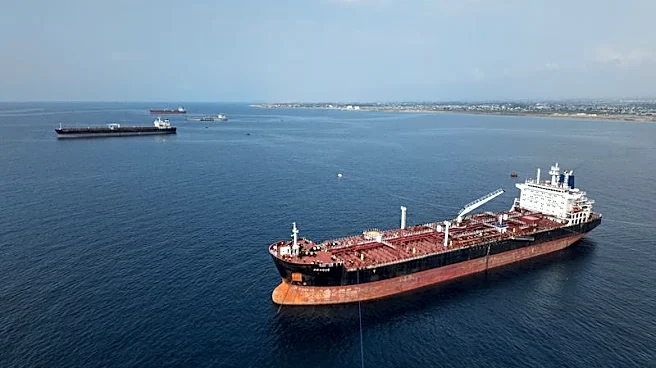
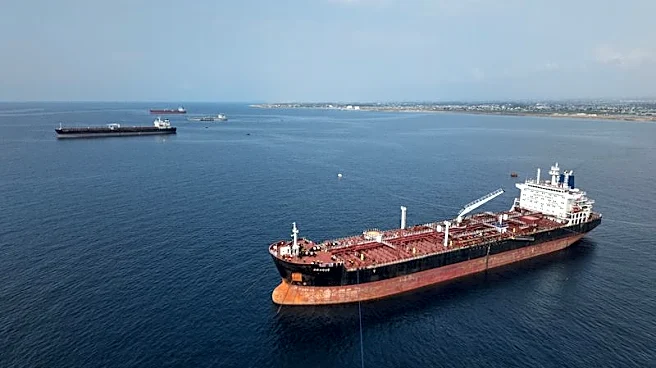
This action is crucial for mitigating the impact of ongoing global oil market tightness and supply disruptions, especially those stemming from the Middle East conflict. The Strait of Hormuz, a vital chokepoint for approximately a quarter of global seaborne oil trade, experienced significant disruptions, with crude and refined-product exports falling below 10 percent of pre-conflict volumes when the action was announced. The coordinated release aims to ensure the free flow of energy trade and adequate supplies of crude and refined fuels, which are central to the IEA's response to market volatility. While the U.S. SPR has reached historically low levels due to sustained drawdowns, the exchange mechanism is designed to provide immediate market relief while also planning for the eventual replenishment and strengthening of the reserve. The additional 44 million barrels to be returned underscore a strategy to enhance America's energy security and prepare for future disruptions.
What's Next?
The IEA will continue to monitor global oil-market conditions and remains prepared to take additional action if required, as its members still hold substantial emergency stocks. The return of over 216 million barrels to the U.S. Strategic Petroleum Reserve, including the 44 million additional premium barrels, is scheduled to begin early next year. This replenishment strategy aims to rebuild the SPR's inventory, which had fallen to 282.6 million barrels by October 23, its lowest since 1982. The Energy Department will coordinate with involved companies, pipelines, terminals, and refining partners to facilitate the movement of oil. The ongoing tightness in global oil markets, particularly for diesel, suggests that further releases or adjustments to supply strategies might be considered by IEA members to maintain market stability.
Beyond the Headlines
The reliance on strategic reserves highlights the vulnerability of global energy markets to geopolitical events and the critical role of international cooperation in managing supply shocks. The exchange mechanism employed by the U.S., which mandates the return of additional barrels, reflects a strategic shift towards not just addressing immediate crises but also proactively strengthening long-term energy security. This approach could set a precedent for future emergency releases, emphasizing replenishment and value generation for taxpayers. The sustained low levels of the SPR, even with planned replenishment, underscore the need for robust energy policies that balance immediate market needs with long-term strategic reserves, especially given the persistent volatility in key oil-producing regions.