



What's Happening?
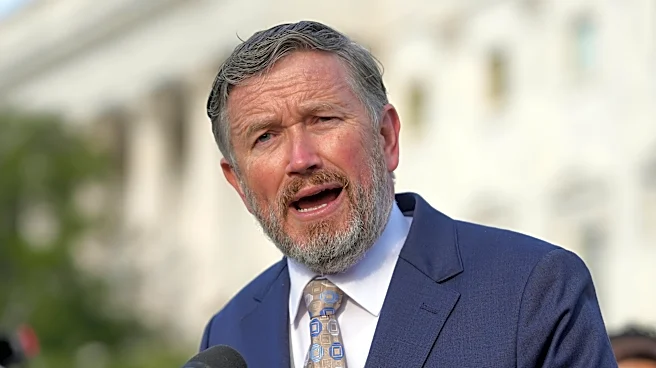
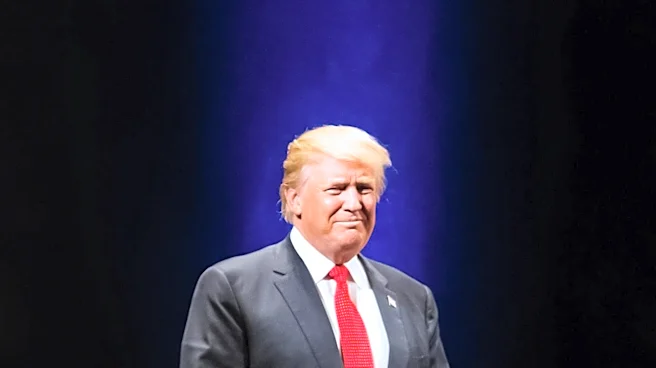
Representative Chip Roy, a prominent fiscal conservative, has openly criticized President Trump's proposal to issue a $5,000 dividend to every adult U.S. citizen if Republicans secure control of both the House and Senate. Speaking on social media, Roy expressed
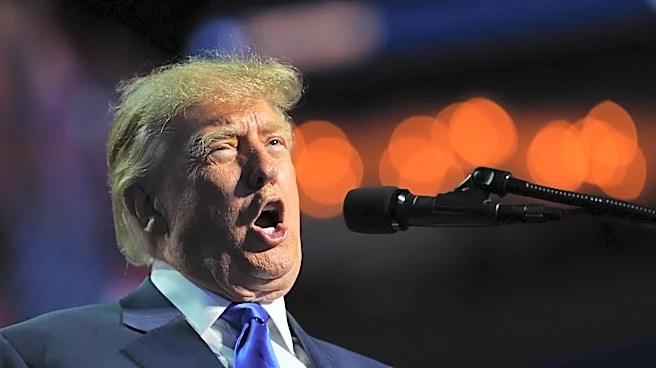
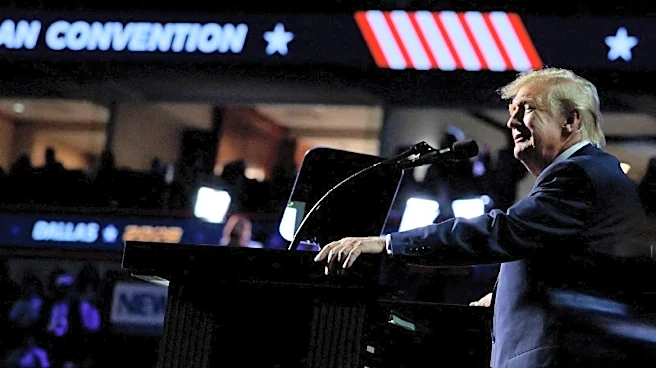
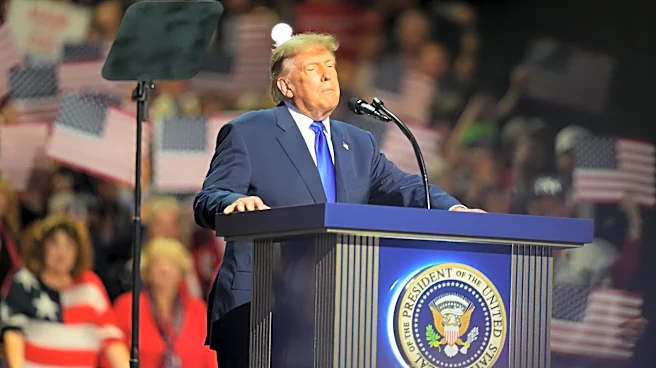
strong opposition to the idea, arguing that government spending and subsidies of such a scale contradict conservative principles. He explicitly stated that "dependency is evil & soul-sucking in all its forms," indicating his belief that broad government-issued payments foster reliance on the state. This stance places him among other Republicans, including former Representative Marjorie Taylor Greene, who have labeled the trillion-dollar cash distribution as "socialism" and questioned its fiscal responsibility. The proposal, announced by President Trump at the Republican National Midterm Convention, has generated significant debate among supporters, critics, economists, and lawmakers regarding its feasibility and economic impact.
Why It's Important?
Representative Roy's criticism is important because it highlights a significant ideological rift within the Republican Party regarding fiscal policy and the role of government. While President Trump's proposal aims to appeal to voters with direct financial benefits, Roy's opposition underscores the traditional conservative emphasis on fiscal restraint, limited government spending, and self-reliance. This internal disagreement could complicate efforts to pass such a measure, even if Republicans gain control of Congress, as a few dissenting votes could derail the legislation. The debate also brings to the forefront the economic implications of large-scale government payouts, with economists warning about potential inflationary pressures and the impact on the national debt, which recently reached $40 trillion. The outcome of this debate could redefine the Republican Party's economic platform and influence future fiscal policies.
What's Next?
President Trump's proposed $5,000 dividend faces a complex legislative path, with significant obstacles even within his own party. Congressional approval would be required, and while some Republicans, like Senator Bernie Moreno, have expressed willingness to introduce legislation, others, including Representative Roy, remain staunchly opposed. The proposal's estimated cost of $1.2 trillion raises concerns about funding and potential inflationary effects, which will be central to any congressional debate. Democrats have largely rejected the idea, meaning any passage would likely require a party-line vote, a challenging prospect in the Senate's 60-vote threshold. As the midterm elections approach, the proposal will continue to be a key talking point, influencing voter sentiment and shaping the political landscape, but its actual implementation remains highly uncertain.
Beyond the Headlines
Beyond the immediate political and economic implications, Representative Roy's strong condemnation of government-induced "dependency" touches on a deeper philosophical debate about individual liberty versus collective welfare. His assertion that dependency is "evil & soul-sucking" reflects a core tenet of libertarian and conservative thought, emphasizing personal responsibility and minimal government intervention. This perspective contrasts with more populist approaches that advocate for direct government aid to address economic hardships. The debate over the Trump Dividend, therefore, is not just about fiscal policy but also about the fundamental values that underpin American society and the role of government in citizens' lives. It could influence long-term shifts in public attitudes towards social safety nets and government assistance, potentially shaping the cultural narrative around economic independence and state support.