



What's Happening?
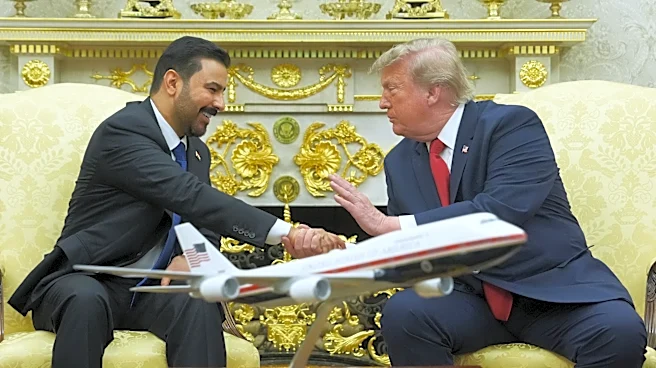
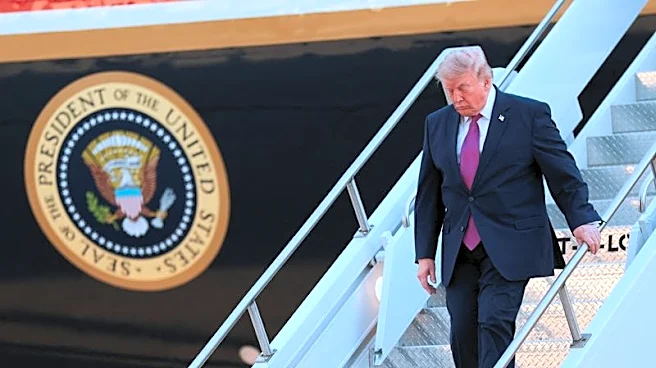
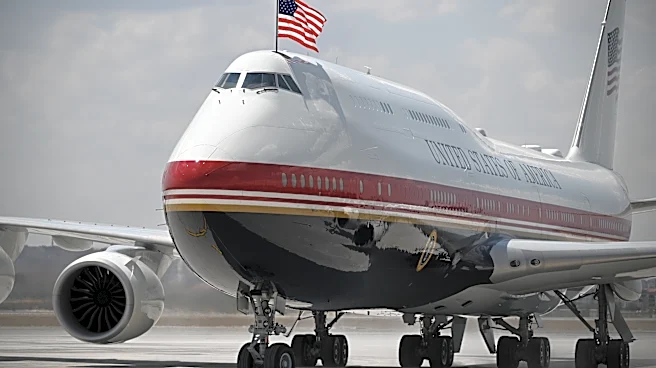
The Trump administration has issued subpoenas to five New York Times journalists, a move that has been widely criticized as an unprecedented threat to press freedom. The subpoenas are part of an investigation into security concerns surrounding a new Air
Force One jet, gifted by Qatar and retrofitted by the U.S. government. Media advocates have expressed alarm, viewing this as an escalation of President Trump's efforts to control and intimidate the press. The subpoenas, which were delivered to reporters at their homes, demand that they testify before a federal grand jury. This action follows a series of legal and public opinion battles between the Trump administration and media outlets, including lawsuits and threats to revoke broadcast licenses.
Why It's Important?
This development is significant as it highlights ongoing tensions between the Trump administration and the media, raising concerns about the erosion of press freedom in the United States. The use of subpoenas against journalists is seen as a direct attack on the First Amendment, which guarantees freedom of the press. Such actions could have a chilling effect on journalists, discouraging them from reporting on issues of public interest. The situation underscores the broader implications for democracy, as a free and independent press is essential for holding those in power accountable. The outcome of this legal battle could set a precedent for future interactions between the government and the media.
What's Next?
The New York Times is preparing to challenge the subpoenas in court, with its executive editor expressing confidence in their legal position. The case is expected to test the limits of press freedom and the protections afforded to journalists under U.S. law. Media organizations and press freedom advocates are likely to rally in support of the Times, emphasizing the importance of safeguarding journalistic independence. The legal proceedings will be closely watched, as they could influence future government actions against the media and shape the landscape of press freedom in the country.