







What's Happening?
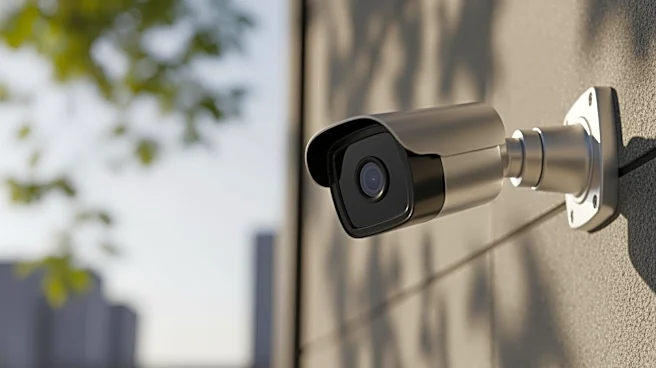
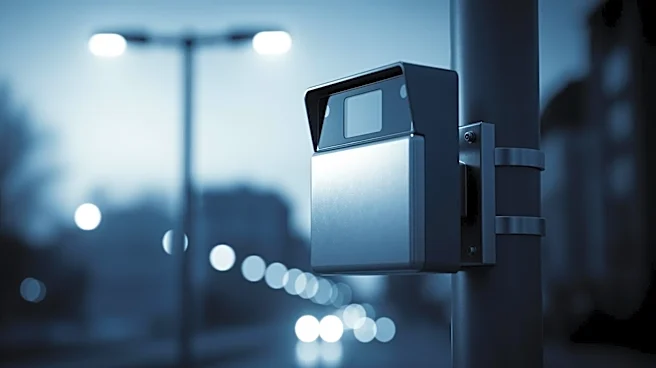
The Los Angeles Bureau of Street Lighting is embroiled in a debate over the installation of automated license plate readers provided by Flock Safety, a surveillance technology company. These devices, often mounted on municipal light poles, are used to scan
for stolen vehicles or those registered to known fugitives. However, Flock Safety has faced criticism for sharing data with federal authorities, including U.S. Immigration and Customs Enforcement, which has led several cities to sever ties with the company. Despite these concerns, the Los Angeles Police Department (LAPD) continues to support the use of Flock's technology. The LAPD has been under pressure from various stakeholders, including homeowner associations and elected officials, to expedite the installation of these devices. The Los Angeles Police Commission has requested a report on the data collected and shared by Flock's scanners, and an audit of the LAPD's use of this technology is expected to be released in the summer.
Why It's Important?
The installation of license plate readers in Los Angeles raises significant privacy and surveillance concerns. The use of such technology by law enforcement agencies can lead to potential misuse of data and infringement on civil liberties. The controversy surrounding Flock Safety's data-sharing practices with federal authorities highlights the need for transparency and accountability in surveillance operations. The outcome of this debate could influence how other cities approach the use of surveillance technology, balancing public safety with privacy rights. The LAPD's continued support for Flock's technology, despite public opposition, underscores the complex dynamics between law enforcement needs and community concerns.
What's Next?
The Los Angeles Police Commission is expected to release an audit of the LAPD's use of license plate reader technology in the coming months. This report could impact future decisions regarding the city's relationship with Flock Safety. Additionally, Councilmember Ysabel Jurado has introduced a motion to halt new agreements with Flock, which could lead to further scrutiny and potential policy changes. The ongoing debate may prompt other cities to reevaluate their use of similar surveillance technologies, potentially leading to broader discussions on privacy and data security at the national level.