






What's Happening?
President Trump has rejected Iran's counter-offer to a US ceasefire proposal, labeling it as 'totally unacceptable.' The proposal, brokered through Pakistani intermediaries, aimed to formalize a ceasefire and establish a long-term regional security pact.
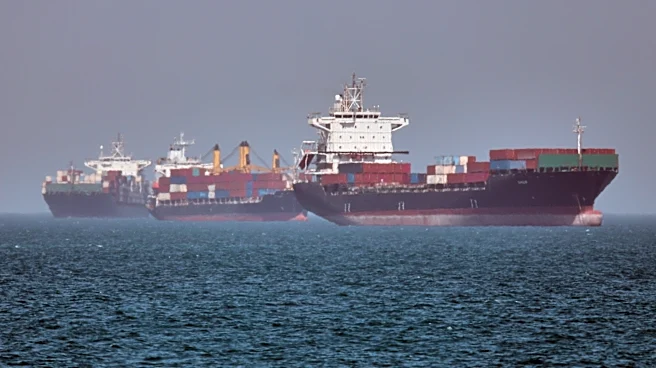
Iran's demands included the lifting of US sanctions, the end of the naval blockade in the Strait of Hormuz, and guarantees against future military strikes. The rejection comes amid ongoing tensions following Operation Epic Fury, a US-led military campaign against Iran's nuclear infrastructure. The situation remains tense, with the potential for further escalation if a diplomatic resolution is not reached.
Why It's Important?
The rejection of Iran's proposal highlights the deep divisions between the US and Iran, with significant implications for regional stability and global energy markets. The Strait of Hormuz is a critical chokepoint for global oil supply, and continued tensions could disrupt oil flows and impact global prices. The US's firm stance reflects its strategic priorities in the region, but also risks prolonging the conflict and increasing the likelihood of military confrontation. The situation underscores the challenges of achieving a diplomatic resolution in a complex geopolitical environment.
What's Next?
The US and Iran are likely to continue their diplomatic standoff, with potential for further military actions if negotiations fail. The international community may seek to mediate the conflict, but the gap between the US and Iran's positions remains significant. The outcome of the negotiations will be crucial in determining the future of US-Iran relations and the stability of the Middle East. The situation warrants close monitoring as it could influence broader US foreign policy and regional dynamics.