








What's Happening?
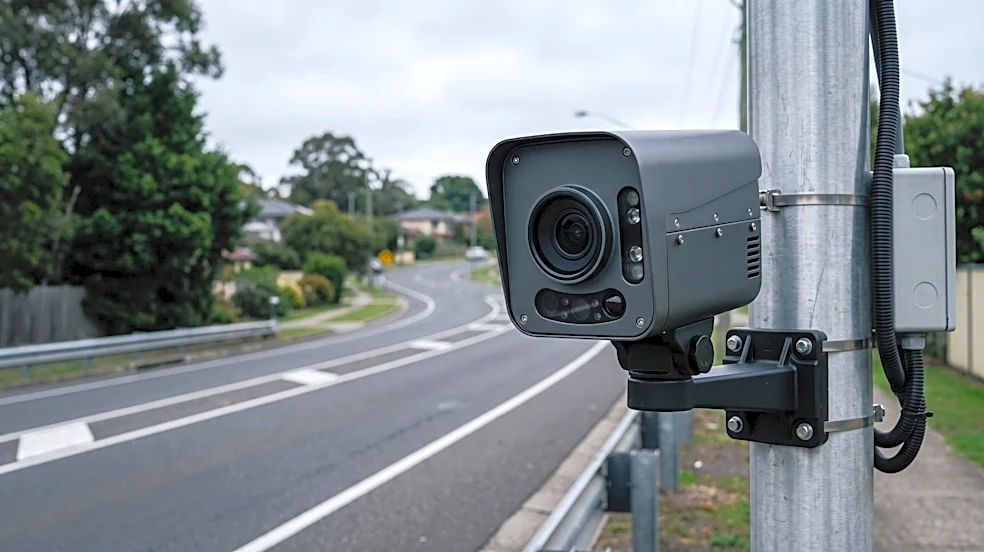
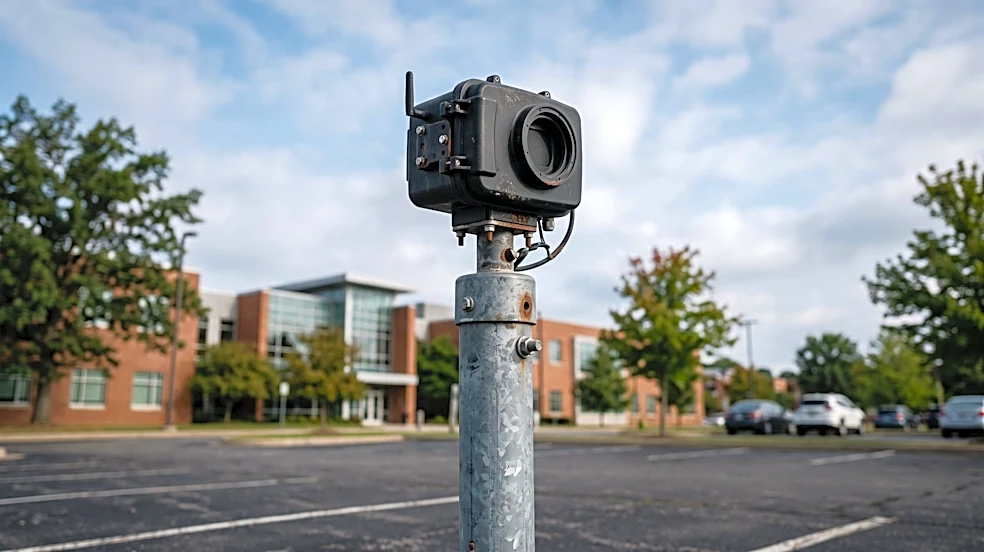
Elgin Community College (ECC) has removed automated license plate-reading (ALPR) cameras from its campus after its one-year contract with Flock Safety expired in April. The decision was prompted by concerns that federal immigration enforcement agents
could access the data collected by these cameras. Although an audit by ECC found no evidence of federal immigration agents accessing data from its campus, the college requested Flock Safety to cancel the contract and remove the cameras out of an abundance of caution for its students. When these requests were unsuccessful, college workers covered the cameras with bags until the contract expired and Flock Safety removed them. This action follows a broader trend, as the Kane County Sheriff’s Office also announced the removal of Flock ALPRs from the unincorporated Mill Creek subdivision near Geneva due to resident requests. The county will not be reimbursed for the cameras, which were part of a larger contract for 25 cameras across the county.
Why It's Important?
The removal of ALPR cameras by Elgin Community College highlights growing concerns over data privacy and the potential for surveillance technology to be used by federal agencies, particularly in sensitive environments like educational institutions. This move underscores the tension between security measures and civil liberties, especially for vulnerable populations such as students who may be undocumented. The college's proactive stance, even without direct evidence of data access by immigration authorities, reflects a commitment to protecting its students and sets a precedent for other institutions. The financial implications for Kane County, which will not be reimbursed for the cameras, also bring into question the cost-effectiveness and long-term viability of such surveillance contracts when public sentiment shifts. This situation could influence future decisions by other colleges and local governments regarding the adoption and retention of ALPR technology, prompting a reevaluation of privacy policies and vendor contracts.
What's Next?
Following the removal of the ALPR cameras, Elgin Community College will likely continue to monitor its security protocols and explore alternative methods that do not raise similar privacy concerns. Other educational institutions and local governments in Illinois and across the U.S. may review their own contracts with ALPR providers, especially in light of the concerns raised by ECC and the Kane County Sheriff's Office. There could be increased public discourse and advocacy from civil liberties groups regarding the use of surveillance technologies and data sharing with federal agencies. Lawmakers might also consider introducing legislation to regulate the use of ALPRs, particularly concerning data retention, access, and transparency. The incident could also lead to a reevaluation of vendor contracts to include clauses that allow for easier termination or address privacy concerns more explicitly, potentially impacting the business models of companies like Flock Safety.
Beyond the Headlines
The controversy surrounding ALPR cameras at Elgin Community College touches upon deeper societal debates about the balance between security and privacy in the digital age. The fear of federal immigration agents accessing student data highlights the broader implications of surveillance technologies on immigrant communities and their trust in public institutions. This incident could contribute to a chilling effect, where individuals, particularly those with precarious immigration statuses, may become more hesitant to engage with educational or public services if they perceive a risk of surveillance. Furthermore, it raises ethical questions about the responsibility of technology providers to ensure their products are not used in ways that infringe upon civil liberties. The decision by ECC and the Kane County Sheriff's Office reflects a growing public awareness and demand for greater transparency and accountability in the deployment of surveillance tools, potentially fostering a more privacy-conscious approach to public safety initiatives.