



What's Happening?
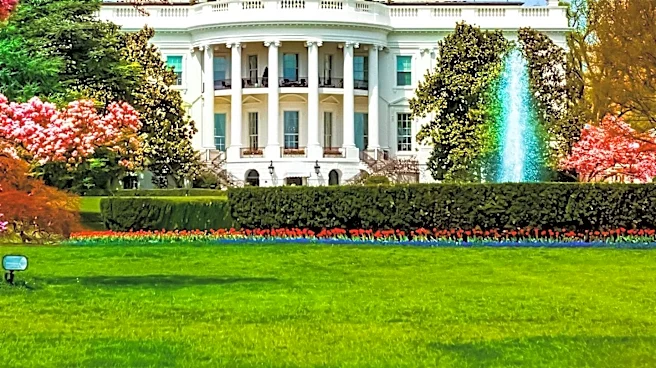
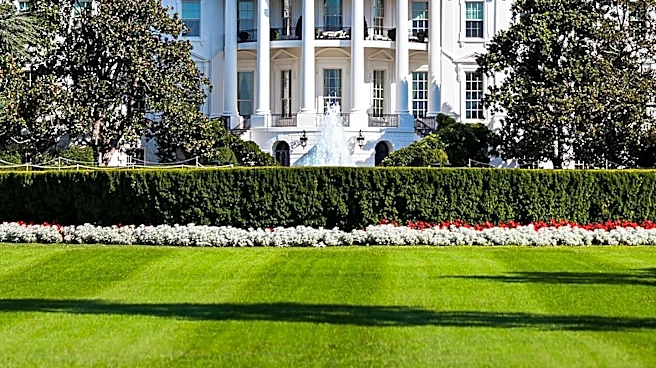
The current administration is facing scrutiny regarding its commitment to the rule of law, as highlighted by several ongoing issues. One major point of contention is the appeal by the Solicitor General against a D.C. Circuit Court decision to halt construction
on a ballroom at the White House. Despite a judicial order, the government claims the facility is 65% complete and argues it is an 'integrated military complex' vital for national security, a characterization that critics find disingenuous given President Trump's long-standing desire for a ballroom. Simultaneously, the administration has rolled back protections against financial crimes by shutting down and authorizing the destruction of the Financial Crimes Enforcement Network (FinCEN) database. This database was designed to track beneficial owners of shell corporations, which are often used to conduct anonymous illegal activities. The administration justifies this action by citing the burden on small businesses, despite the form taking only about five minutes to complete annually. This move has drawn criticism for potentially making it easier for criminals and cartels to launder money.
Why It's Important?
These actions have significant implications for the U.S. legal and financial systems. The administration's challenge to the D.C. Circuit Court's injunction on the White House ballroom construction raises concerns about the executive branch's respect for judicial authority and the separation of powers. The recharacterization of a ballroom as a 'military complex' could set a precedent for circumventing legal challenges under the guise of national security, potentially eroding public trust in government transparency and accountability. The dismantling of the FinCEN database is a major setback in the fight against financial crime and money laundering. This database, which had bipartisan support and was enacted over President Trump's veto in 2021, was a crucial tool for federal, state, and tribal prosecutors. Its destruction will hinder investigations into illicit financial activities, making it easier for bad actors, including cartels and criminals, to operate anonymously within the U.S. financial system. This could lead to an increase in financial crimes and undermine efforts to maintain a secure and transparent economic environment.
What's Next?
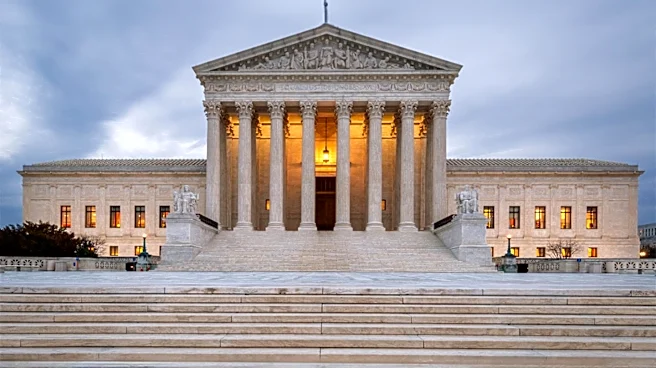
The Supreme Court is expected to decide whether to allow the D.C. Circuit Court's stay on the White House ballroom construction to go into effect, which will be a critical test of judicial power against executive claims of national security. Legal challenges are also anticipated regarding the FinCEN database rollback. State Attorneys General and tribal authorities, who previously had access to the database, are likely to sue, arguing they have standing due to the loss of a vital investigative tool. The immediate goal for these parties will be to secure an injunction to prevent or halt the destruction of the database, which may already be underway. Beyond legal battles, there will likely be calls for Congress to intervene and shore up the database, given its bipartisan origins and importance in combating financial crimes. The political ramifications of these actions, particularly the perceived disregard for the rule of law and the weakening of anti-money laundering efforts, will continue to be a subject of public and political debate.
Beyond the Headlines
The ongoing disputes highlight a deeper tension between executive power and the rule of law, particularly concerning the interpretation and enforcement of judicial orders. The administration's approach to the White House ballroom project, shifting its justification from a desired amenity to a national security imperative, reflects a broader strategy of leveraging national security claims to bypass legal and public scrutiny. This could have long-term implications for how future administrations interact with the judiciary and Congress on matters deemed sensitive. Furthermore, the rollback of the FinCEN database raises ethical questions about the government's commitment to combating illicit financial activities versus alleviating perceived burdens on businesses. It underscores a potential shift in regulatory philosophy that could prioritize deregulation at the expense of financial transparency and security. This move could inadvertently foster an environment more conducive to corruption and organized crime, impacting the integrity of the U.S. financial system and its standing in global efforts against money laundering.