
What's Happening?
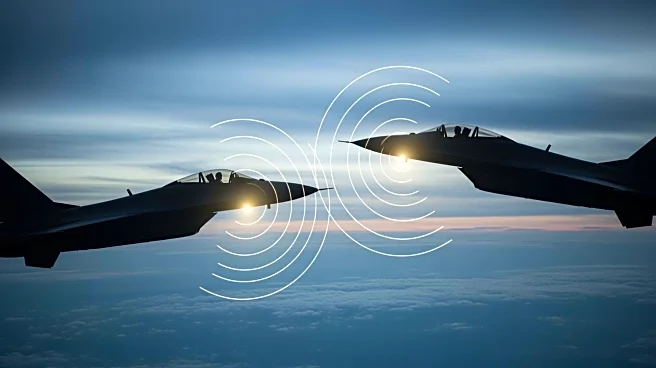
Chinese fighter jets directed their fire-control radar at Japanese aircraft over international waters near Japan's Okinawan islands in two separate incidents. Japan's Defense Minister Shinjiro Koizumi
condemned these actions as 'dangerous' and stated that the radar illumination exceeded what is necessary for safe flight. Japan has lodged a protest with China over the incident, which is considered one of the most serious military run-ins between the two countries in recent years. The Chinese J-15 jets involved were launched from China's Liaoning aircraft carrier, which was maneuvering south of the Okinawan islands along with three missile destroyers. This incident follows a history of close military encounters between the two nations, including a 2013 incident where a Chinese warship locked its radar on a Japanese destroyer.
Why It's Important?
The incident is significant as it highlights the escalating tensions between China and Japan, two major powers in the Asia-Pacific region. The use of fire-control radar is a provocative military action that signals a potential attack, forcing the targeted aircraft to take evasive measures. This development could further strain diplomatic relations and increase the risk of military conflict in the region. Japan, which hosts a significant U.S. military presence, including thousands of Marines in Okinawa, is a key ally in the U.S.'s strategic interests in Asia. The incident also underscores the broader geopolitical tensions involving Taiwan, which is claimed by China and lies close to Japan's westernmost islands.
What's Next?
Japan is likely to continue monitoring Chinese military activities closely, especially given the recent increase in Chinese naval and coast guard presence in East Asian waters. Diplomatic efforts may be pursued to de-escalate tensions, but the potential for further military encounters remains high. The U.S., as a key ally of Japan, may also play a role in diplomatic or military responses to ensure regional stability. The situation could prompt discussions within international forums about security in the Asia-Pacific region.
Beyond the Headlines
The incident reflects the ongoing power struggle in the Asia-Pacific region, where China's growing military capabilities and assertiveness are challenging the status quo. It raises questions about the effectiveness of existing diplomatic channels and security agreements in preventing military confrontations. The situation also highlights the importance of international norms and rules in maintaining peace and stability in contested regions.