





What's Happening?
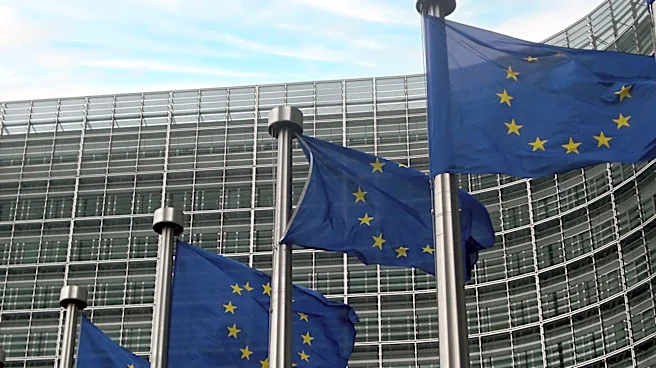
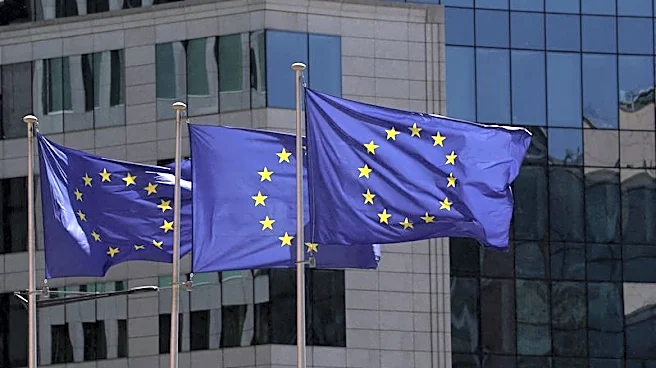
The European Union has established a new three-year support mission in Lebanon, known as the European Union Support Mission in Lebanon (EUSM Lebanon). This initiative, agreed upon by EU foreign affairs ministers under the bloc’s Common Security and Defence
Policy (CSDP), aims to advise and train the Lebanese Armed Forces and Internal Security Forces. The mission will focus on strengthening territorial control, border security, and internal security. It comprises both military and civilian pillars. The military component will provide advisory support and training to the Lebanese Armed Forces on land border surveillance and control, intelligence gathering, counter-smuggling operations, and operational coordination. The civilian pillar will assist the Internal Security Forces with advice and specialized training in areas such as cybercrime and anti-smuggling, as well as supporting port security governance, including at the Port of Beirut. Kaja Kallas, the EU’s High Representative for Foreign Affairs and Security Policy, emphasized that the mission will help Lebanon strengthen its security capabilities.
Why It's Important?
This mission is significant as it represents a direct EU investment in Lebanon's stability and security, a country grappling with internal crises and regional complexities. By enhancing the capabilities of the Lebanese Armed Forces and Internal Security Forces, the EU aims to improve Lebanon's ability to manage its borders, combat illicit activities like smuggling, and maintain internal order. This support could contribute to greater stability in a volatile region, potentially reducing the flow of illegal goods and individuals across borders, which has broader implications for regional security. Strengthening Lebanon's security apparatus could also indirectly address concerns about the influence of non-state actors within the country, allowing the Lebanese army to focus more on national defense. The mission's focus on cybercrime and port security also highlights the evolving nature of security threats and the EU's commitment to a comprehensive approach to stability.
What's Next?
Operational planning for EUSM Lebanon will continue, with a separate Council decision required to formally launch the mission once planning is complete. EU officials anticipate deploying personnel under the new mission in the coming months. The mission has an initial mandate of three years, during which it will provide ongoing advisory support and training. The success of the mission will likely be measured by its ability to demonstrably improve Lebanon's border management, internal security, and counter-smuggling efforts. Future evaluations will assess the effectiveness of the training and advisory services provided to both the military and civilian security forces. The EU will also monitor the broader impact of the mission on regional stability and Lebanon's capacity to address its security challenges independently.
Beyond the Headlines
The establishment of EUSM Lebanon underscores the EU's strategic interest in the Eastern Mediterranean and its recognition of the interconnectedness of security challenges. Beyond immediate security concerns, this mission could foster deeper diplomatic and operational ties between the EU and Lebanon, potentially paving the way for broader cooperation in other sectors. The dual military and civilian approach reflects a comprehensive understanding of security, acknowledging that effective governance and law enforcement are as crucial as military strength. This initiative also highlights the EU's role as a global security actor, utilizing its Common Security and Defence Policy to project stability beyond its immediate borders. The long-term implications could include a more resilient Lebanese state, better equipped to manage its sovereignty and contribute to regional peace, thereby mitigating potential spillover effects of instability that could impact European interests.