







What's Happening?
New data suggests that an upcoming El Niño event could become one of the strongest on record. The European Center for Medium-Range Weather Forecasts (ECMWF) indicates that water temperatures in the central equatorial Pacific Ocean may rise significantly,
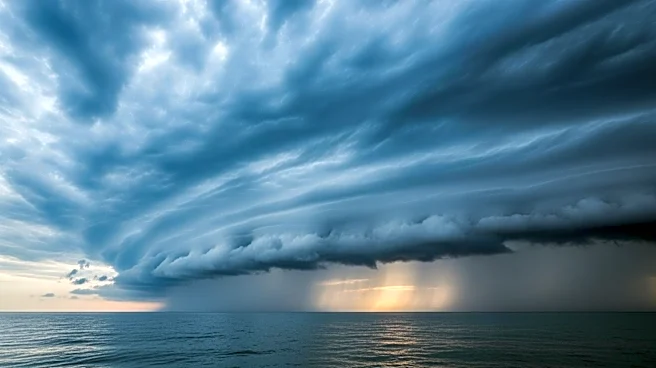
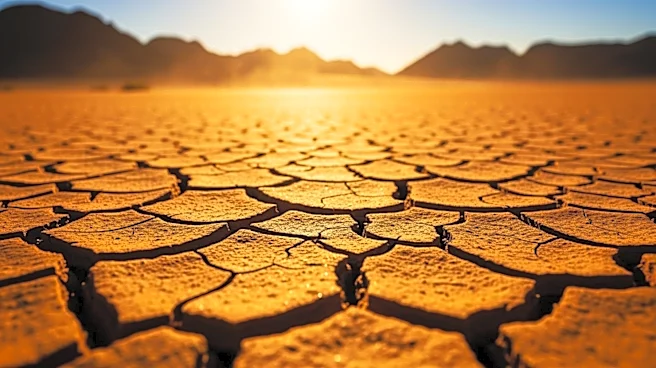
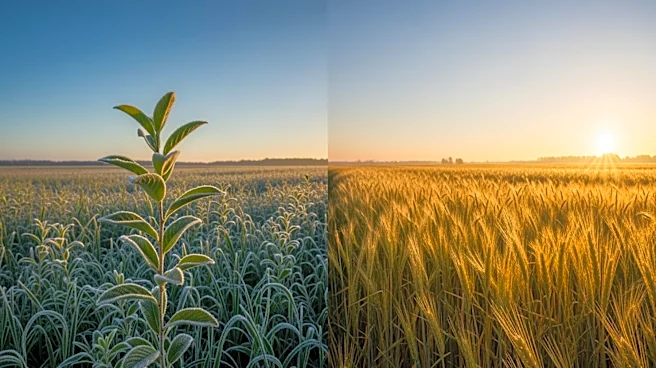
potentially surpassing previous records. This development could lead to widespread climate impacts, including shifts in global temperature patterns, droughts, floods, and changes in agricultural productivity. The phenomenon is expected to fully form by July, with effects likely to peak towards the end of the year.
Why It's Important?
A powerful El Niño event could have profound implications for global weather patterns and economies. In the U.S., it may lead to milder winters and increased storm activity along the West Coast. Globally, it could exacerbate food shortages, water scarcity, and even civil conflicts in vulnerable regions. The potential for record-breaking temperatures in 2027 highlights the urgency for climate adaptation and mitigation strategies. Understanding and preparing for these impacts is crucial for minimizing economic and social disruptions.
What's Next?
As El Niño develops, scientists and policymakers will closely monitor its progression and impacts. Efforts to mitigate its effects may include enhancing climate resilience in affected regions and adjusting agricultural practices to cope with potential droughts and floods. The scientific community will continue to study the phenomenon to improve predictive models and inform global climate policy.