
What's Happening?
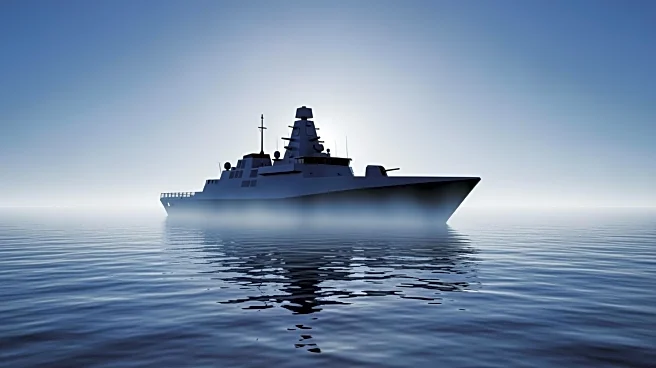
The Indian Navy has taken delivery of the ANJADIP, the third vessel in the Anti-Submarine Warfare Shallow Water Craft (ASW SWC) project. This delivery took place on December 22, 2025, at INS Adyar, Chennai.
The ANJADIP was designed and built by Garden Reach Shipbuilders and Engineers Ltd., Kolkata, under the guidance of the Indian Register of Shipping (IRS) Naval Rules. Named after Anjediva Island, the vessel is notable for its Diesel Engine – Waterjet propulsion system, which enhances its maneuverability in shallow waters. The ANJADIP is equipped for underwater surveillance, anti-submarine warfare, low-intensity maritime operations, advanced mine-laying, and search and rescue missions. This addition is expected to bolster the Indian Navy's capabilities in coastal security and maritime preparedness.
Why It's Important?
The delivery of the ANJADIP represents a significant advancement in India's naval capabilities, particularly in shallow water anti-submarine warfare. This development aligns with India's strategic goal of self-reliance in defense manufacturing, known as Atmanirbhar Bharat. By enhancing coastal security, the Indian Navy can better protect its maritime borders and respond to threats in its territorial waters. The indigenous design and construction of the ANJADIP also highlight India's growing expertise in shipbuilding, which could have broader implications for its defense industry and international collaborations. Strengthening maritime security is crucial for India, given its extensive coastline and the strategic importance of the Indian Ocean region.
What's Next?
The induction of the ANJADIP into the Indian Navy is likely to be followed by the delivery of additional vessels under the ASW SWC project. This will further enhance the Navy's operational capabilities in shallow waters. The focus on indigenous shipbuilding is expected to continue, with potential investments in technology and infrastructure to support future projects. The Indian Navy may also engage in joint exercises and collaborations with other nations to test and improve the capabilities of these new vessels. Additionally, the success of the ANJADIP could encourage further initiatives aimed at achieving self-reliance in other areas of defense manufacturing.
Beyond the Headlines
The delivery of the ANJADIP not only strengthens India's naval capabilities but also reflects broader geopolitical dynamics in the region. As India continues to assert its presence in the Indian Ocean, the development of indigenous defense technologies could influence regional security arrangements and partnerships. The focus on self-reliance in defense manufacturing may also impact India's economic policies, encouraging investment in domestic industries and reducing dependency on foreign suppliers. This shift could have long-term implications for India's defense strategy and its role in international security frameworks.