
What's Happening?
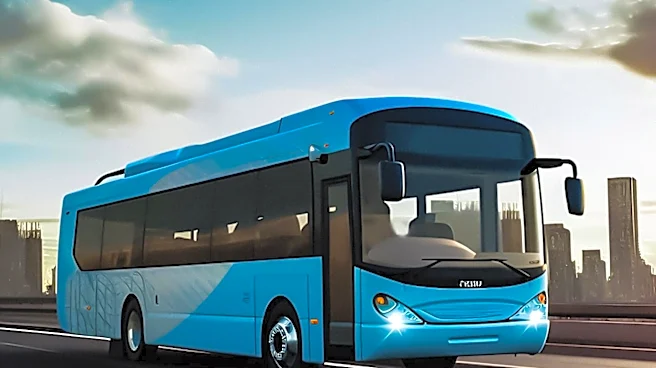
The hydrogen bus service in Pau, France, inaugurated by President Emmanuel Macron in 2020, is facing termination due to high operational costs and maintenance challenges. The project, initially seen as
a step towards sustainable urban transport, has encountered significant issues, including the bankruptcy of the bus manufacturer and erratic hydrogen production. The service, which cost 70 million euros to implement, has been plagued by maintenance difficulties and the need to transport hydrogen by truck, undermining its environmental benefits. The local transport authority plans to transition to electric and hybrid buses.
Why It's Important?
The decision to phase out the hydrogen bus service highlights the challenges of implementing new technologies in public transport. Despite initial enthusiasm, the project's financial and logistical hurdles have proven insurmountable, raising questions about the viability of hydrogen as a sustainable energy source for urban transit. This development may influence other cities considering similar projects, prompting a reevaluation of the costs and benefits of hydrogen technology. The shift towards electric and hybrid buses reflects a broader trend in urban transport, emphasizing the need for reliable and cost-effective solutions.
What's Next?
As Pau transitions away from hydrogen buses, the focus will shift to acquiring electric and hybrid vehicles. This process may face delays due to high demand for electric buses, potentially impacting the city's transport services. The experience in Pau could serve as a case study for other municipalities, informing future decisions on sustainable transport initiatives. Stakeholders will likely monitor the transition closely, assessing its impact on service quality and environmental goals.