




What's Happening?
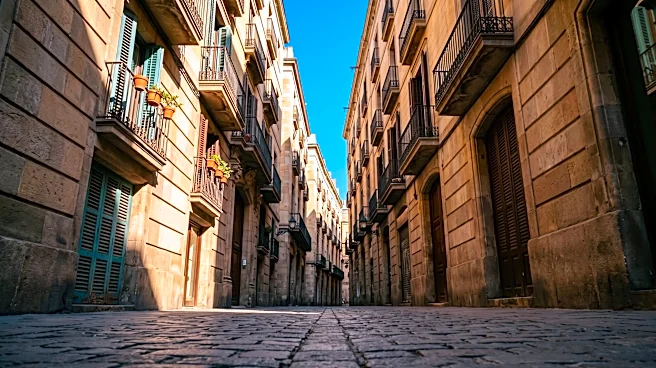
A study conducted by Rovira i Virgili University (URV) in Tarragona indicates that residents in Barcelona's most crowded neighborhoods, including the Gothic Quarter, Barceloneta, and Sagrada Família, are significantly altering their daily routines due
to tourist pressure. The research, based on 44 street-level interviews using a 'walk-along' method, found that residents must plan everyday activities such as shopping, taking children to school, and visiting the beach around tourist traffic. Older residents, who have lived in these areas the longest, reported the greatest difficulties. Many have adopted strategies like changing routes to avoid crowded streets and squares, or adjusting the timing of their outings to periods of lower tourist activity. This situation has led to a feeling of losing personal space and a decline in the quality of life for the local population, transforming traditional neighborhood meeting points into zones of tourist transit. Residents also associate the concentration of visitors with increased insecurity, including more thefts and petty crime.
Why It's Important?
The findings highlight a critical social impact of overtourism, demonstrating how it extends beyond economic and environmental concerns to directly affect the daily lives and well-being of urban residents. The displacement of local populations and the erosion of neighborhood identity can lead to significant social unrest and a loss of cultural authenticity in affected areas. This situation underscores the challenge for urban planners and tourism authorities to balance economic benefits from tourism with the preservation of local communities and their quality of life. The reported increase in insecurity and petty crime also points to potential strains on local law enforcement and public services. The study's insights are crucial for developing sustainable tourism models that prioritize resident welfare and cultural preservation, moving away from a volume-centric approach to tourism development.
What's Next?
The study suggests that an opportunity to rethink the tourism model was missed during the coronavirus pandemic, when a drastic drop in tourism allowed residents to 'rediscover' their neighborhoods. Moving forward, cities grappling with overtourism may need to consider implementing more stringent visitor management strategies, potentially including restrictions on tourist numbers or specific activities, to alleviate pressure on residential areas. Local authorities might explore initiatives to redistribute tourist flows away from highly concentrated neighborhoods or to promote off-peak visitation. There could also be a push for policies that encourage tourism models prioritizing quality over quantity, focusing on visitors who stay longer, spend more, consume local products, and respect local identity. The findings could also prompt further research into the long-term psychological and social effects of overtourism on urban communities.
Beyond the Headlines
The study's revelation that residents feel a 'loss of one's own space' and a decline in quality of life due to tourism pressure touches upon deeper ethical and cultural implications. It raises questions about the right to the city for its inhabitants versus the economic imperatives of the tourism industry. The transformation of public spaces from community hubs to tourist thoroughfares signifies a shift in urban identity and function, potentially leading to the commodification of local culture. The association of increased tourism with insecurity and crime also highlights the complex social dynamics at play, where economic benefits may come at the cost of community safety and cohesion. This situation could fuel anti-tourism sentiments and movements, as residents seek to reclaim their neighborhoods and advocate for policies that prioritize their needs over those of visitors. The challenge lies in fostering a tourism ecosystem that is mutually beneficial, respecting both the economic needs of the industry and the social and cultural fabric of host communities.