




What's Happening?
Iran is experiencing significant medical supply shortages as the ongoing conflict continues to disrupt supply chains. The United Nations has warned that the shortages could worsen if the conflict persists, affecting critical medical supplies such as dialysis
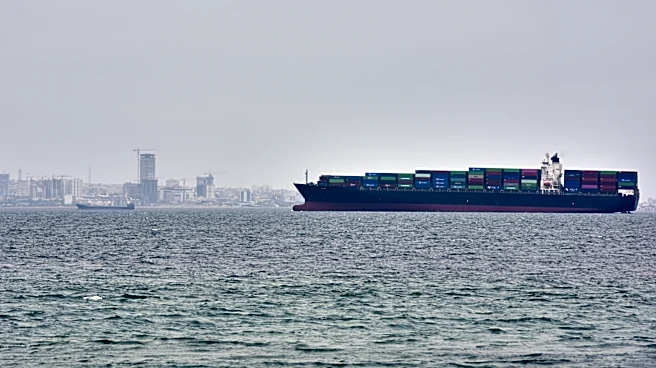
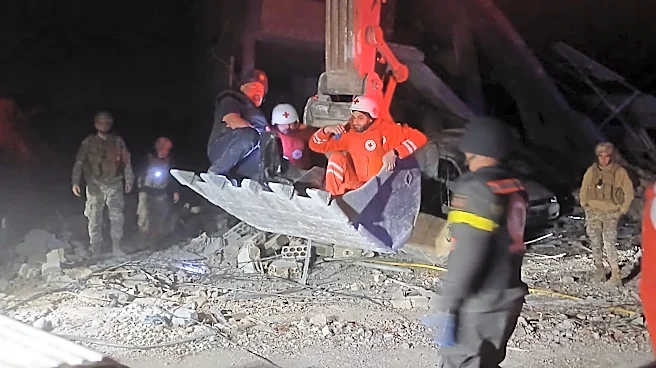
filters and chemotherapy drugs. The blockade of the Strait of Hormuz has further hampered the import of essential medical goods, leading to a crisis in Iranian hospitals. The Red Cross has begun importing aid from Turkey to alleviate the shortages, but the situation remains dire, with hospitals reporting only a limited supply of medications in storage.
Why It's Important?
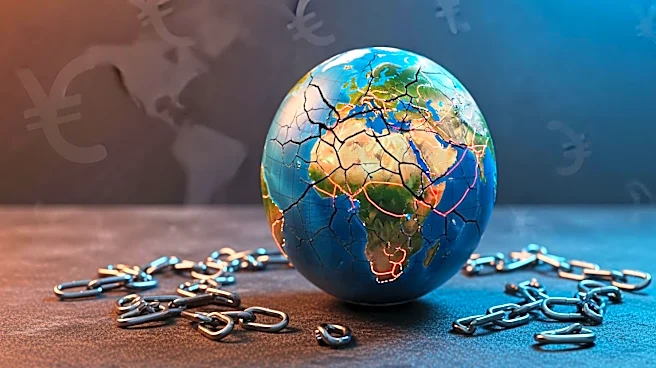
The medical supply shortages in Iran underscore the severe humanitarian impact of prolonged conflict on civilian populations. The disruption of supply chains not only affects Iran but also has global repercussions, as countries like the UK and Japan brace for potential shortages of medical supplies. The crisis highlights the vulnerability of healthcare systems in conflict zones and the urgent need for international cooperation to ensure the delivery of essential medical aid. The situation also raises concerns about the Iranian government's ability to address the needs of its citizens amid ongoing geopolitical tensions.
What's Next?
As the conflict continues, the Iranian government may face increased pressure from both domestic and international communities to find a resolution. The potential for renewed protests in Iran could rise if shortages of medicine, food, and electricity persist. International organizations and humanitarian groups are likely to continue their efforts to provide aid, but the long-term resolution of the crisis will depend on diplomatic negotiations and conflict de-escalation. The global community will be closely monitoring the situation, as the impact of the shortages extends beyond Iran's borders, affecting international supply chains and healthcare systems.