






What's Happening?
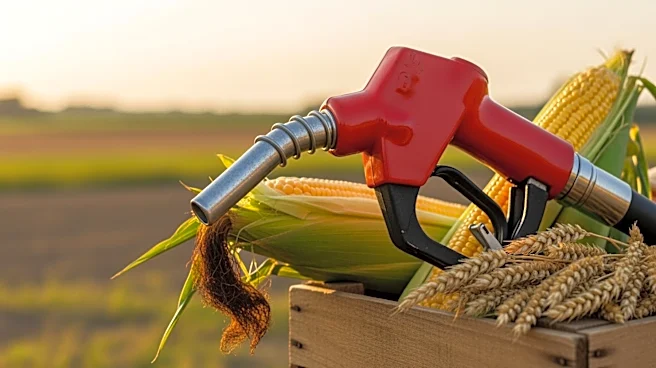
Farmers in Northern Ontario are grappling with increasing costs and logistical challenges as the 2026 planting season approaches. Bill Groenheide, a veteran farmer and northern director of the Ontario Federation of Agriculture, highlighted the rising
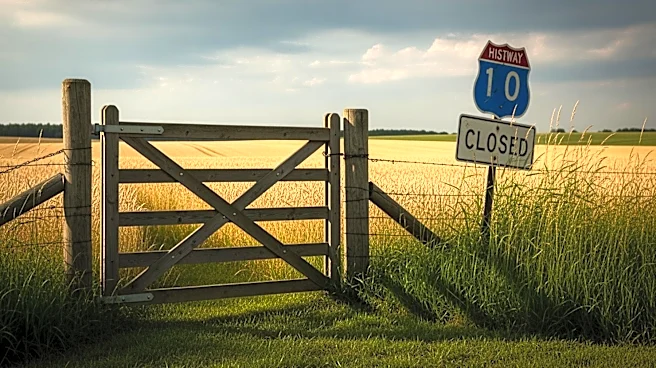
prices of fuel and fertilizer as major concerns. These costs are exacerbated by global instability and trade uncertainties, particularly with the upcoming review of the Canada-United States-Mexico Agreement (CUSMA). Groenheide noted that farmers are worried about recouping their investments in crops due to these financial pressures. Additionally, highway closures, especially on the Trans-Canada, are causing delays in transporting goods, further complicating the situation for farmers who need to bring in essential supplies for the spring planting season.
Why It's Important?
The challenges faced by Northern Ontario farmers have broader implications for the agricultural sector and consumers. Rising costs may lead to higher prices for agricultural products, affecting consumer affordability and potentially reducing demand for local produce. The trade uncertainties linked to CUSMA could impact market access and pricing stability, influencing the economic viability of farming operations. Furthermore, logistical issues like highway closures can disrupt supply chains, affecting the timely delivery of goods and services. These factors collectively threaten the sustainability of farming in the region, which could have ripple effects on food security and economic stability.
What's Next?
Farmers and industry groups are lobbying for government intervention, including tax breaks to alleviate the financial burden. The Ontario Federation of Agriculture is advocating for measures to support farmers, such as fuel tax relief. Additionally, there is optimism surrounding a new veterinary medicine program, a partnership between Lakehead University and the University of Guelph, aimed at training students to work with large animals in northern agricultural settings. This initiative could help address the shortage of large-animal veterinarians in the region, supporting the agricultural community's needs.
Beyond the Headlines
The situation underscores the need for infrastructure improvements and policy support to ensure the resilience of the agricultural sector. The reliance on highways for transporting goods highlights vulnerabilities in the supply chain that could be mitigated through investment in transportation infrastructure. Moreover, the focus on local veterinary training reflects a broader trend towards regional self-sufficiency and the importance of tailored educational programs to meet local needs. These developments could foster a more sustainable and resilient agricultural ecosystem in Northern Ontario.