


What's Happening?
Governor Ron DeSantis has signed Executive Order 26-33 to provide emergency support to Florida's agricultural sector, which is currently facing severe challenges due to harsh winter weather and a persistent drought. The order aims to facilitate emergency harvesting
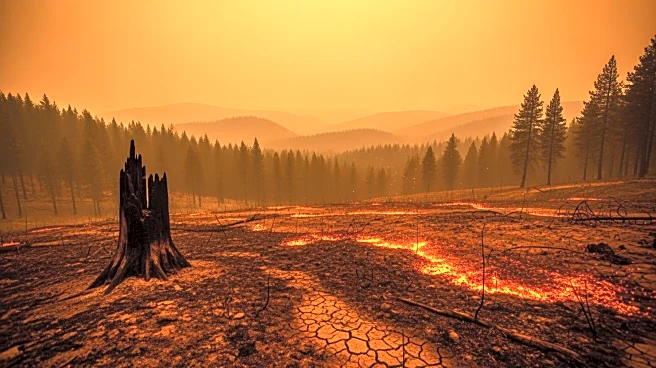
measures, allowing farmers to act swiftly and efficiently to mitigate losses. According to recent reports, 95% of Florida is experiencing moderate drought conditions, exacerbating the difficulties faced by farmers. Governor DeSantis announced the initiative on social media, emphasizing the state's commitment to supporting its farmers during these tough times. The executive order is designed to protect Florida's agriculture from further losses and ensure that farmers receive the necessary assistance for a prompt recovery.
Why It's Important?
The executive order is crucial for Florida's agricultural sector, which is a significant component of the state's economy. By providing emergency support, the order aims to prevent further economic losses and stabilize the agricultural industry, which is vital for food supply and employment in the region. The drought and severe weather conditions have put immense pressure on farmers, threatening their livelihoods and the state's food production capabilities. The support measures are expected to help farmers manage the immediate impacts of the weather conditions and sustain their operations, thereby safeguarding the agricultural workforce and related industries.
What's Next?
The implementation of the executive order will likely involve coordination between state agencies and agricultural stakeholders to ensure that the emergency measures are effectively executed. Farmers will need to adapt their operations to take advantage of the support provided, which may include adjusting harvesting schedules and resource allocation. The state government may also monitor the situation closely to assess the effectiveness of the measures and determine if additional support or policy adjustments are necessary. Stakeholders, including agricultural associations and local governments, may engage in discussions to address long-term strategies for resilience against similar challenges in the future.