


What's Happening?
President Trump's ongoing conflict with Iran has led to a significant increase in U.S. gas prices, reaching their highest level in over three years. The national average for a gallon of gasoline has surpassed $4, marking an increase of more than $1 since
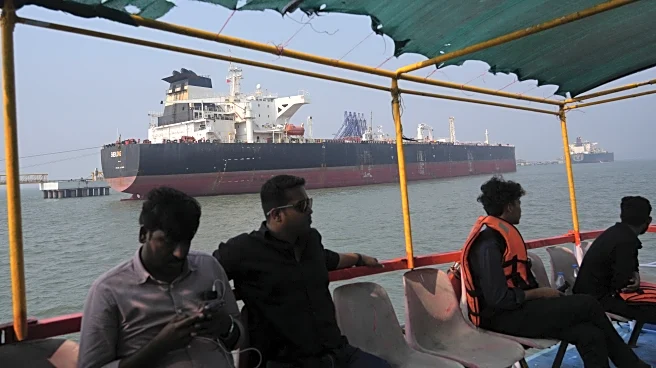
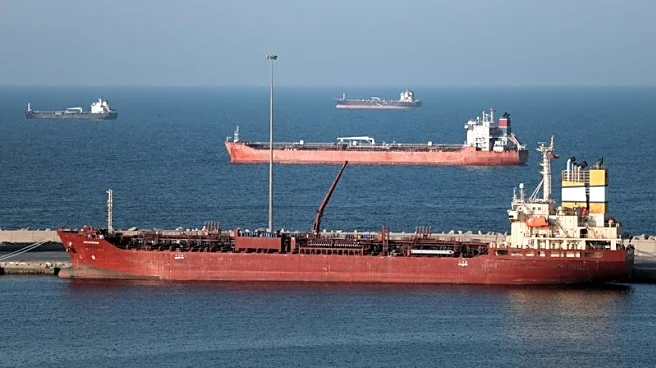
the conflict began. This surge is primarily due to Iran's decision to close the Strait of Hormuz, a critical passage for global oil supply, which previously accounted for about 20% of the world's oil flow. The closure has exacerbated the global energy crisis, with oil prices exceeding $100 per barrel and diesel prices reaching $5.45 per gallon.
Why It's Important?
The rise in gas prices is a critical issue for American consumers, as it directly impacts the cost of living. Gas prices are a visible and frequent expense for many Americans, and their increase can lead to higher costs for goods and services across the economy. The energy crisis is not limited to gasoline; it affects diesel and jet fuel prices, which have also seen significant increases. This situation could lead to higher prices for food, air travel, and consumer goods, affecting the broader economy. The closure of the Strait of Hormuz has far-reaching implications, potentially disrupting global supply chains and increasing costs for industries reliant on fossil fuels.
What's Next?
President Trump has hinted at the possibility of ending U.S. involvement in the conflict with Iran, although the Strait of Hormuz remains closed. Efforts to involve U.S. allies in reopening the strait have not been successful. The continued closure could worsen the global energy crisis, with potential long-term impacts on international relations and economic stability. The situation remains fluid, and future developments will depend on diplomatic negotiations and geopolitical strategies.