



What's Happening?
PG&E's Public Safety Power Shutoffs (PSPS) are significantly affecting farmers and local businesses in San Luis Obispo (SLO) County. Melanie Blankenship, owner of Nature’s Touch Nursery and Harvest in Templeton and a partner with Creston Valley Meats,
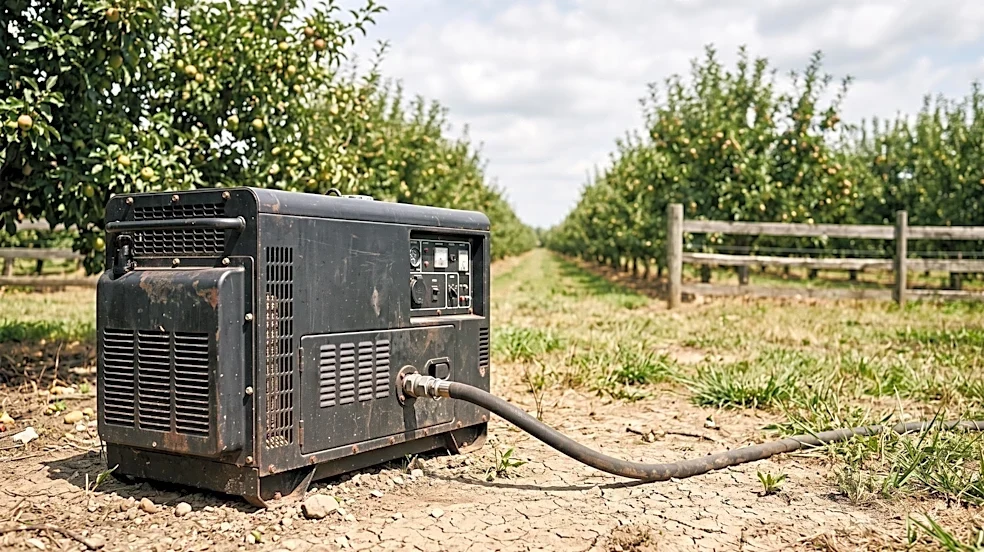
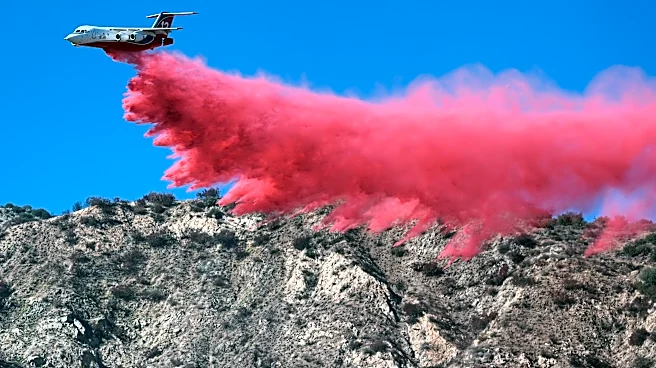
has been without power since Thursday morning due to these shutoffs. She is forced to use diesel, propane, and gas generators, along with a water pump, to maintain the necessary temperatures for her produce, animals, and products. Blankenship highlighted the critical reliance on electricity for her operations, stating that 'Everything is about temperature' and 'Everything we do has everything to do with electric.' PG&E initiated these shutoffs to mitigate wildfire risk amidst hot and dry weather conditions, with parts of SLO County under a red-flag warning and a heat advisory. At least 8,615 SLO County customers were without electricity during Friday's shutoff.
Why It's Important?
The PG&E Public Safety Power Shutoffs have a substantial economic impact on the agricultural sector and local businesses in affected regions. Farmers like Melanie Blankenship face significant operational costs, such as the $25 per hour she pays to run generators, which can quickly become unsustainable. The inability to maintain proper temperatures for perishable goods can lead to spoilage and substantial financial losses, threatening the viability of farms and food processors. This situation also impacts the local food supply chain and employment. Blankenship's experience, including the closure of her retail store due to soaring PG&E bills despite reduced usage, underscores the broader challenges faced by businesses in areas prone to PSPS events. The reliance on preventative shutoffs rather than reactive measures raises questions about long-term energy infrastructure resilience and support for vulnerable industries.
What's Next?
PG&E anticipates restoring power by Saturday at 1 p.m. for the affected areas. However, the ongoing threat of wildfires and the utility's policy of implementing Public Safety Power Shutoffs suggest that such events may recur, continuing to pose challenges for businesses and residents. Farmers and local business owners will likely continue to seek solutions for energy independence or financial relief to mitigate the impacts of future shutoffs. There may be increased calls for PG&E and regulatory bodies to address the economic consequences of these preventative measures, potentially leading to discussions about compensation, infrastructure improvements, or alternative energy solutions for critical sectors like agriculture. The long-term sustainability of farming operations in these high-risk areas will depend on the development of more resilient power systems and supportive policies.
Beyond the Headlines
The recurring Public Safety Power Shutoffs in California highlight a deeper societal and infrastructural challenge related to climate change and aging utility grids. While intended to prevent catastrophic wildfires, these shutoffs disproportionately affect rural communities and essential industries like agriculture, raising ethical questions about equitable access to reliable power. The economic burden on small businesses and farmers can lead to consolidation or closure, impacting local economies and food security. This situation also underscores the need for innovation in energy storage and localized power generation, moving beyond a centralized grid model. The debate between preventative measures and their economic fallout will likely intensify, pushing for comprehensive solutions that balance public safety with economic stability and community well-being in an era of increasing climate-related risks.