





What's Happening?
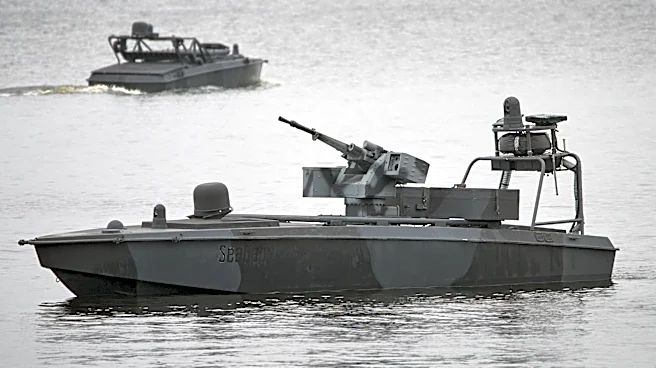
NATO is intensifying its efforts to bolster its cyber defense capabilities in response to increasing threats from Iran-backed hackers targeting U.S. critical infrastructure. The alliance is also addressing the challenge posed by inexpensive loitering
munitions, or one-way attack drones, which have been used by Russia against Ukraine and Iran against the U.S. and its allies in the Middle East. NATO has initiated the Joint Analysis Training and Education Centre (JATEC) to develop cost-effective defenses against these threats. This initiative is part of a broader effort to modernize NATO's defense strategies, as highlighted by Adm. Pierre Vandier, Supreme Allied Commander Transformation of NATO.
Why It's Important?
The growing threat of cyber-attacks and drone warfare poses significant risks to national security and critical infrastructure in the U.S. and allied nations. The use of low-cost drones by adversaries like Russia and Iran highlights the need for NATO to adapt its defense strategies to modern warfare tactics. The establishment of JATEC and collaboration with Ukraine are crucial steps in developing effective countermeasures. Failure to address these threats could lead to severe disruptions in critical infrastructure and compromise national security.
What's Next?
NATO is expected to continue its collaboration with Ukraine and other allies to enhance its defense capabilities against emerging threats. The alliance may also seek to strengthen its cybersecurity measures and develop new technologies to counter drone attacks. Ongoing tensions with Iran and Russia could lead to further escalations, necessitating a coordinated response from NATO and its member states.