





What's Happening?
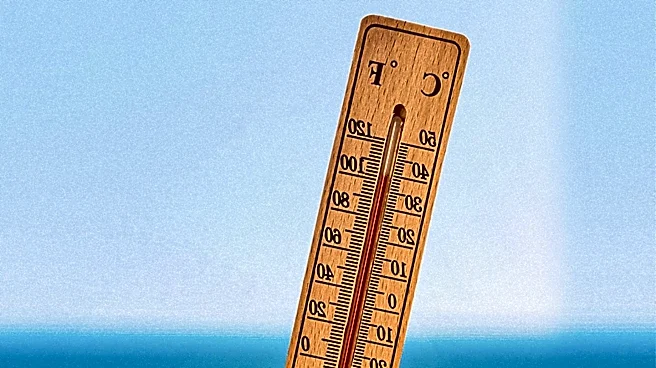
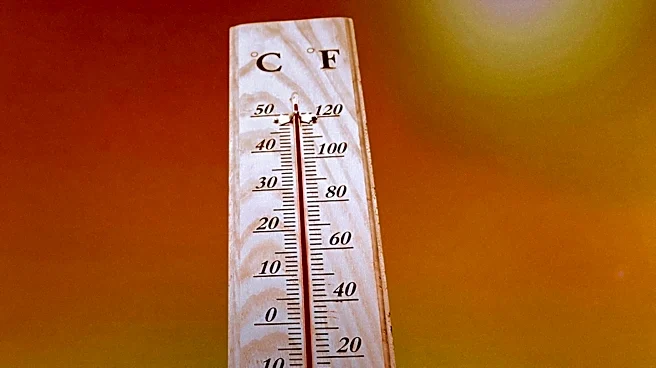
A significant heat wave is building across the United States, with triple-digit temperatures expected in the Southwest and Great Plains. This heat wave is anticipated to spread eastward, affecting up to two-thirds of the continental U.S. under a high-pressure
dome. Meteorologists warn of temperatures 15 to 25 degrees Fahrenheit above normal, posing health risks as nighttime temperatures remain high, preventing bodies from cooling down. The National Weather Service predicts over 90 local temperature records could be tied or broken, with many being overnight heat records. The heat dome is particularly strong in the Dakotas, marking one of the most intense in 25 years. The heat is exacerbating conditions for homeless populations, who struggle to access cooling centers.
Why It's Important?
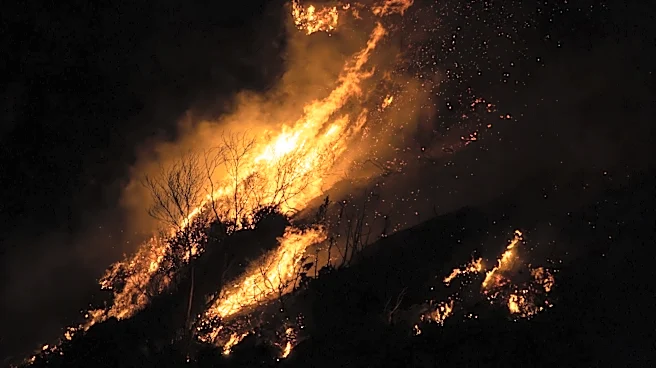
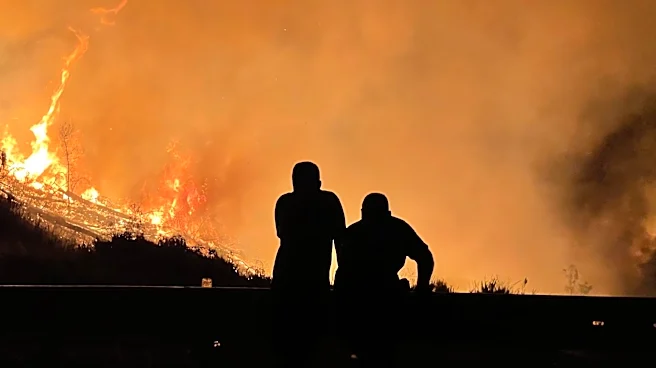
The heat wave highlights the increasing frequency and intensity of extreme weather events, which scientists attribute to climate change. Such conditions pose significant health risks, particularly for vulnerable populations without access to air conditioning or cooling centers. The prolonged heat can lead to increased energy demand, strain on power grids, and heightened risk of wildfires in already dry regions. The economic impact could be substantial, affecting agriculture, energy consumption, and public health systems. This event underscores the urgent need for climate adaptation strategies and infrastructure improvements to mitigate the effects of extreme weather.
What's Next?
As the heat wave progresses, local governments and communities are likely to implement emergency measures to protect vulnerable populations. Cooling centers may be established, and public health advisories will be issued to encourage hydration and limit outdoor activities. The ongoing heat could prompt discussions on long-term climate resilience and adaptation strategies. Additionally, the potential for increased wildfires may lead to heightened alert levels and resource allocation for firefighting efforts.