



What's Happening?
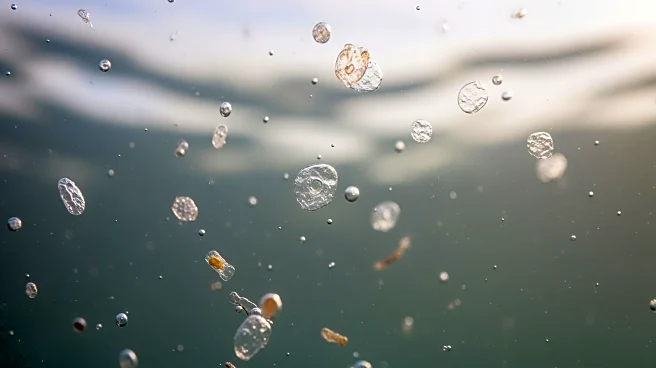
Microplastics have been found in various environments and human tissues, raising concerns about their potential health impacts. However, many claims about microplastics, such as the idea that people ingest a credit card's worth each week, have been debunked.
The claim originated from a 2019 study with flawed methodology. Subsequent research suggests that the actual ingestion rate is much lower. While microplastics are pervasive due to the widespread use of plastics, their health effects remain uncertain. Studies on animals have shown potential harm, but the dosages used are often unrealistic for humans. The World Health Organization has cautioned that most studies use higher concentrations than typical human exposure.
Why It's Important?
Understanding the true impact of microplastics is crucial for public health and environmental policy. While the presence of microplastics is undeniable, the extent of their harm to humans is still under investigation. Accurate information is essential to guide regulatory actions and public awareness. The issue also highlights the broader challenge of plastic pollution and the need for sustainable alternatives. As research continues, policymakers and consumers must balance caution with evidence-based decision-making to address environmental and health concerns effectively.