



What's Happening?
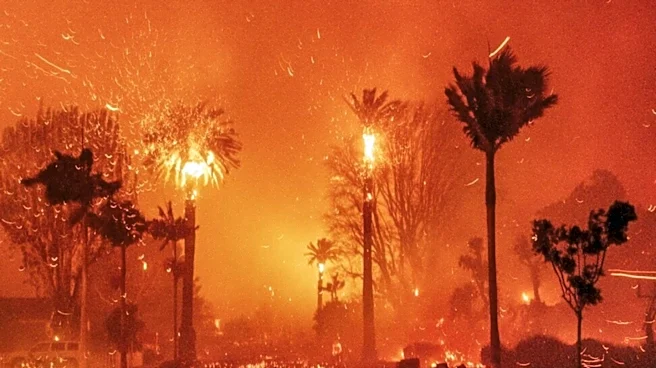
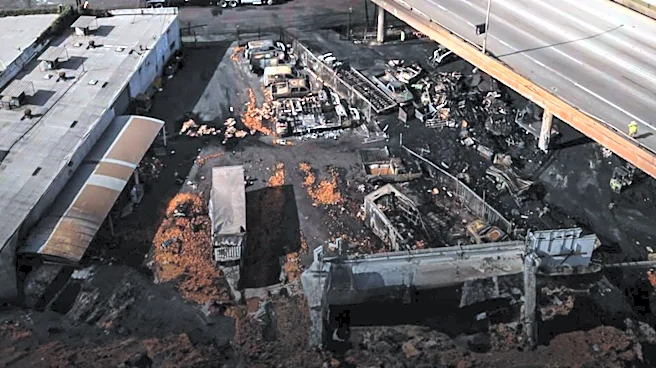
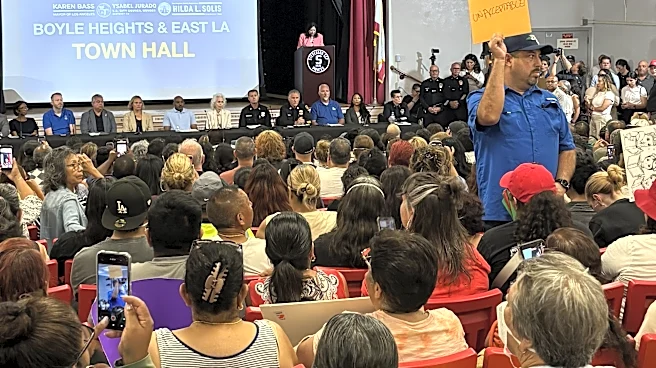
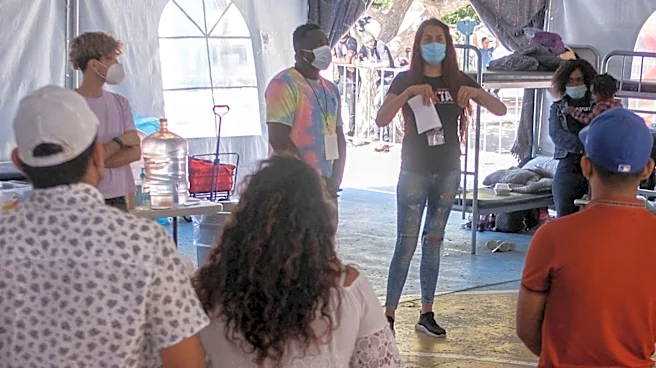
Residents of East Los Angeles expressed their frustration at a town hall meeting regarding the aftermath of the Lineage warehouse fire. The fire, which burned for nearly a week, left 85 million pounds of frozen food rotting near residential areas, causing
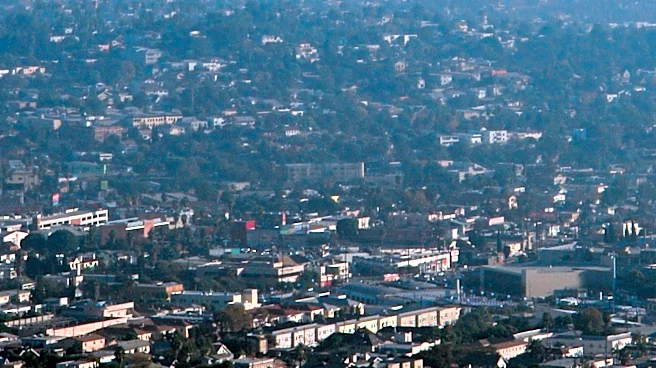
significant disruption. The town hall, held at Stevenson Middle School, was attended by over 700 people, including activists and local residents, who voiced their concerns about the environmental and health impacts of the fire. Many attendees criticized local officials, including Los Angeles Mayor Karen Bass and L.A. County Supervisor Hilda Solis, for their handling of the situation. The fire has exacerbated existing tensions in the community, which has historically faced environmental and infrastructural challenges.
Why It's Important?
The Lineage warehouse fire highlights ongoing issues of environmental justice and public health in marginalized communities. The Eastside of Los Angeles, which has long been burdened with industrial pollution and inadequate infrastructure, is now facing additional challenges due to the fire's aftermath. The community's response underscores the need for more effective communication and action from local authorities to address environmental hazards. The incident also raises questions about the preparedness and responsiveness of city and county officials in managing such crises, particularly in areas that have historically been neglected.
What's Next?
Local officials, including Mayor Bass, have promised measures such as cash assistance and air purifiers to affected residents. There are also plans to evaluate other warehouses in the area for potential environmental risks. However, the community remains skeptical about the effectiveness of these promises, given past experiences of unfulfilled commitments. Continued advocacy and pressure from residents and environmental groups are likely as they seek accountability and long-term solutions to prevent similar incidents in the future.
Beyond the Headlines
The fire and its aftermath could lead to increased scrutiny of industrial operations in residential areas, potentially prompting policy changes at the city and county levels. The incident may also galvanize community organizing efforts, as residents seek to hold officials accountable and push for systemic changes to address environmental injustices. The situation highlights the broader issue of how marginalized communities are often disproportionately affected by environmental hazards, raising ethical questions about equity and justice in urban planning and policy-making.