





What's Happening?
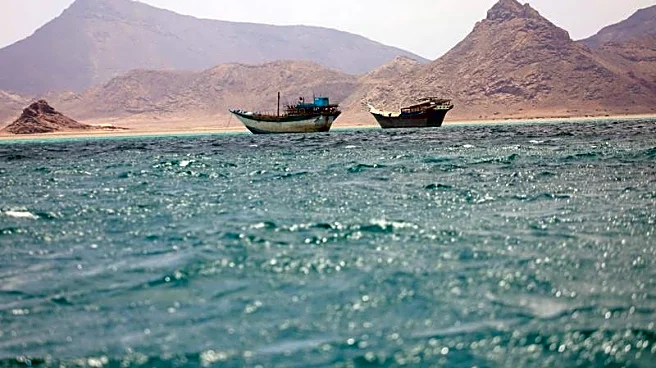
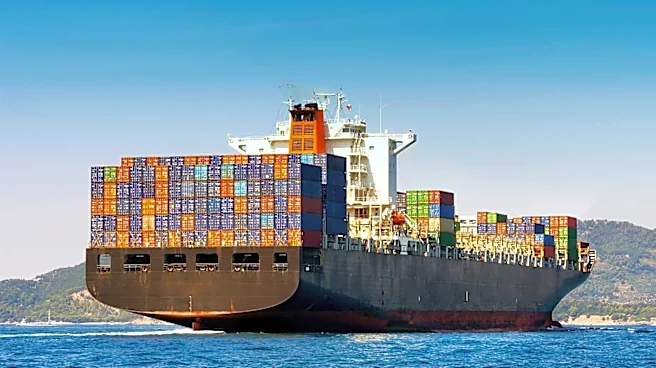
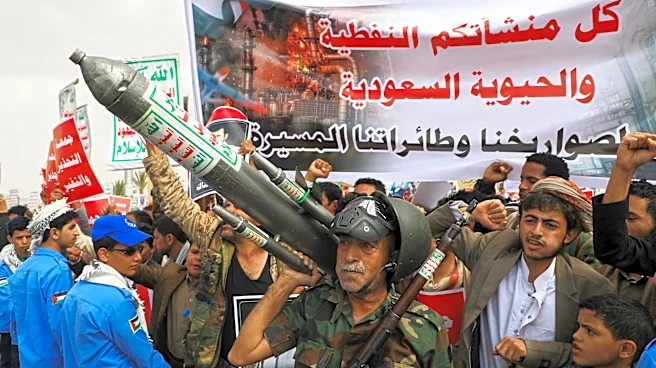
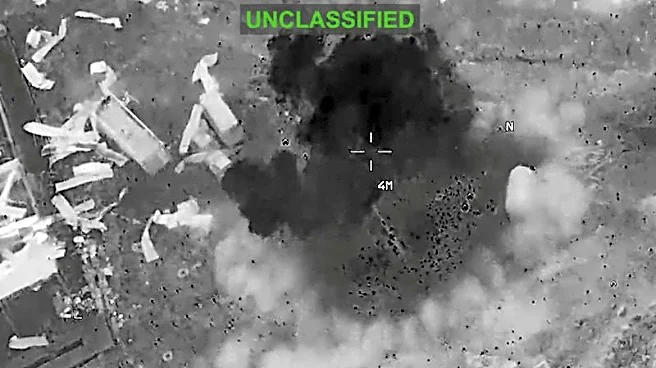
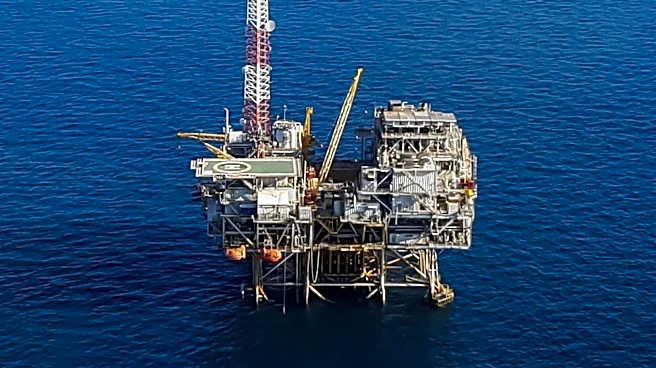
Oil prices have surged above $100 per barrel following attacks by Yemen's Houthi rebels on Saudi oil tankers in the Red Sea. The Houthis, backed by Iran, have opened a new front in the ongoing conflict by targeting vessels in the Bab el-Mandeb Strait,
a critical shipping route. The attacks have intensified concerns over global oil supply disruptions, as the Strait of Hormuz also faces near-halt in traffic due to the conflict. The situation has prompted OPEC+ members to consider increasing output to stabilize the market.
Why It's Important?
The rise in oil prices has significant economic implications, potentially exacerbating global inflation and affecting energy-dependent industries. The disruption in oil supply routes highlights the vulnerability of global energy markets to geopolitical tensions. Countries reliant on oil imports may face increased costs, impacting economic growth and consumer prices. The situation also underscores the strategic importance of securing shipping lanes and the potential for further conflict in the region.
What's Next?
OPEC+ members are expected to meet to discuss potential increases in oil production to mitigate supply disruptions. The international community may seek diplomatic solutions to de-escalate tensions and ensure the security of shipping routes. However, the ongoing conflict and geopolitical rivalries in the region pose challenges to achieving a lasting resolution.