




What's Happening?
The public comment period for federal plans to develop space launch and recovery infrastructure on the Outer Continental Shelf (OCS) has concluded. This development follows the removal of reporting requirements for archaeological surveys, leaving Native
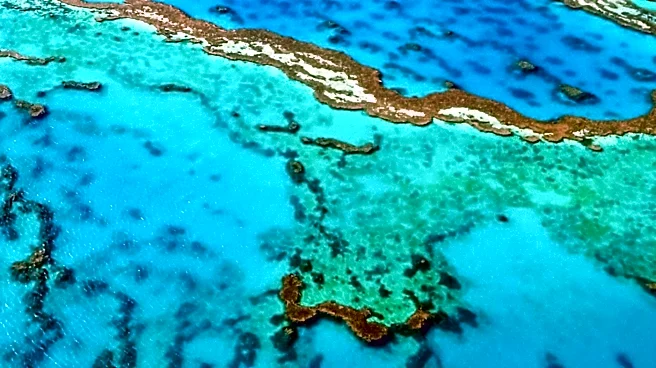
cultural artifacts and sacred sites vulnerable. The U.S. Department of Interior is exploring the potential for space infrastructure on the OCS, which spans 3.2 billion acres of marine territory. The Advisory Council on Historic Preservation has proposed revisions to the tribal consultation process, potentially reducing the role of Tribal Nations in protecting cultural sites.
Why It's Important?
The development plans for the OCS have significant implications for Indigenous communities, whose cultural artifacts and sacred sites may be at risk. The removal of archaeological survey requirements could lead to the destruction of these sites, impacting cultural heritage and self-determination. The potential space infrastructure development also raises environmental concerns, as it could lead to increased pollution and habitat disruption. The situation highlights the tension between technological advancement and cultural preservation, emphasizing the need for balanced policies that respect Indigenous rights and environmental sustainability.
What's Next?
As the public comment period ends, the U.S. Department of Interior will review the feedback and make decisions regarding the development of space infrastructure on the OCS. Indigenous groups and environmental organizations are likely to continue advocating for the protection of cultural sites and environmental safeguards. The outcome of this process could set precedents for future developments on the OCS and influence policies related to Indigenous rights and environmental protection.