









What's Happening?
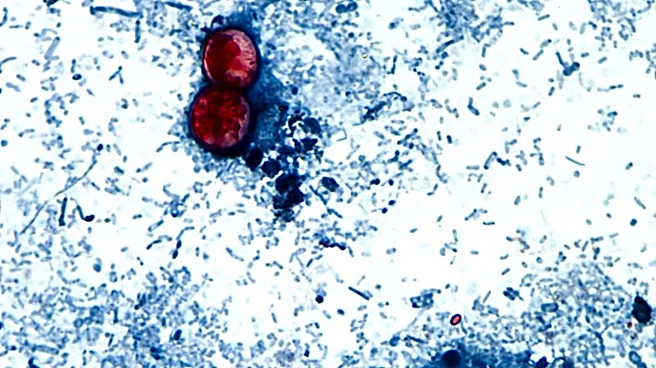
Hamilton County health officials have reported an increase in cyclosporiasis cases, contributing to what is being described as one of the largest outbreaks of the parasite in the United States. The Centers for Disease Control and Prevention (CDC) has
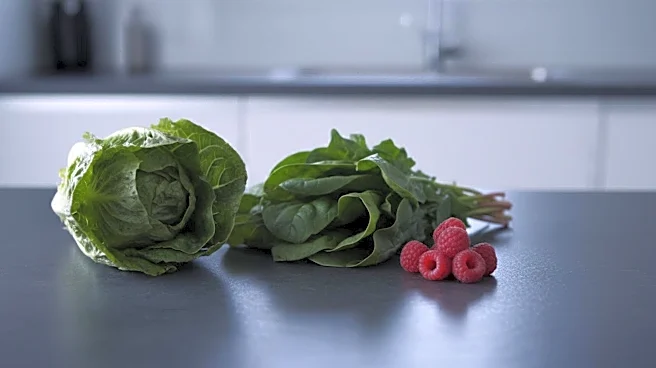
recorded nearly 7,000 cases nationwide, with Michigan and Ohio being the most affected states. In Hamilton County alone, there are 10 confirmed cases, 5 suspected, and 1 probable case. Cyclosporiasis is caused by a parasite found in contaminated water and food, leading to digestive issues such as watery diarrhea, bloating, and loss of appetite. The CDC is actively investigating the source of the outbreak, with lettuce and leafy greens being potential culprits. Health officials advise thorough washing of produce and hands to prevent infection.
Why It's Important?
The outbreak of cyclosporiasis is significant due to its widespread impact across the United States, affecting public health and safety. The parasite's presence in commonly consumed produce like lettuce and leafy greens poses a risk to consumers, potentially leading to increased healthcare costs and strain on medical resources. The outbreak highlights the importance of food safety and the need for stringent agricultural practices to prevent contamination. It also underscores the role of public health agencies in swiftly identifying and mitigating such outbreaks to protect the population. The economic implications are notable, as affected industries may face losses due to decreased consumer confidence in fresh produce.
What's Next?
The CDC continues to investigate the outbreak's source, focusing on tracing the foods consumed by those infected. This process involves identifying specific farms or water sources that may be contaminated. Public health officials are likely to issue further guidelines and updates as more information becomes available. Consumers are advised to remain vigilant, adhering to recommended safety practices such as washing produce thoroughly and opting for fruits and vegetables with peels. The situation may prompt regulatory reviews and potential policy changes to enhance food safety standards and prevent future outbreaks.