

What's Happening?
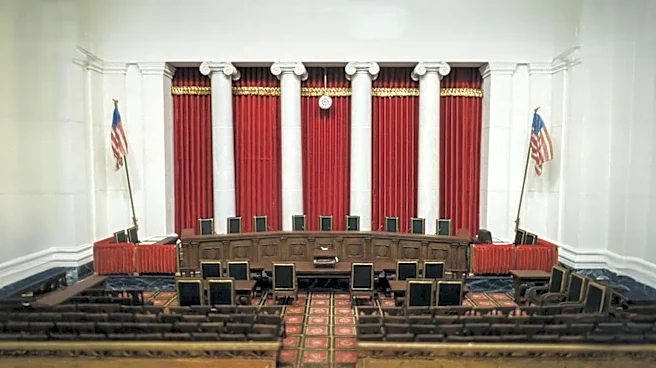
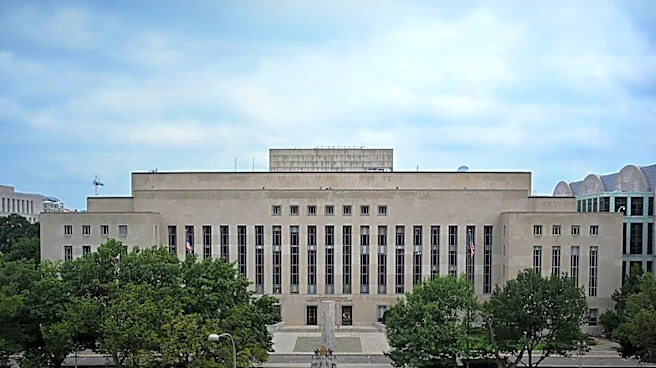
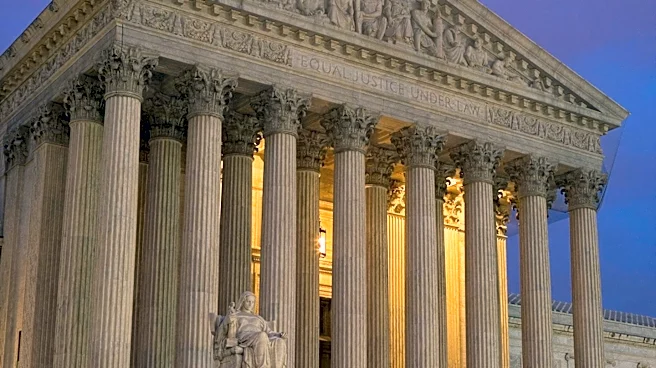
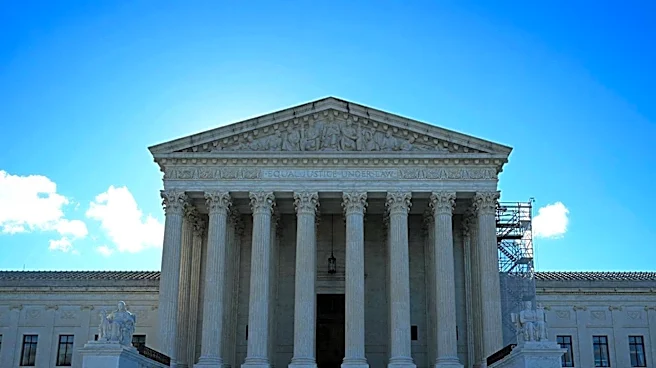
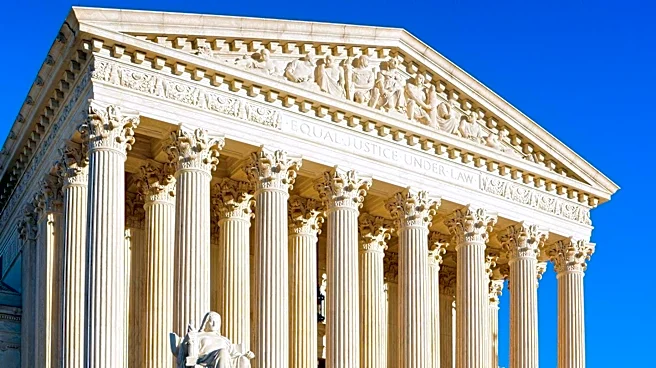
The Supreme Court is set to hear a case in November concerning the Department of Labor's authority to hold hearings and collect money from employers who violate the terms of the visa program for seasonal farm workers. This case, Department of Labor v.
Sun Valley Orchards, LLC, is part of a broader session that includes other significant cases such as religious discrimination and inmate rights. The Department of Labor's role in regulating the H-2A visa program, which allows U.S. employers to bring foreign nationals to fill temporary agricultural jobs, is under scrutiny. The case will address whether the Department has the power to enforce compliance through financial penalties, a move that could impact how labor laws are enforced across the agricultural sector.
Why It's Important?
This case is significant as it could redefine the enforcement capabilities of the Department of Labor concerning the H-2A visa program. A decision in favor of the Department could strengthen its ability to ensure compliance with labor standards, potentially leading to better working conditions for seasonal farm workers. Conversely, a decision against the Department might limit its enforcement powers, affecting its ability to regulate labor practices effectively. The outcome could have wide-reaching implications for U.S. agricultural businesses that rely on seasonal foreign labor, influencing their operational costs and compliance strategies.
What's Next?
The Supreme Court's decision will likely set a precedent for how labor laws are enforced in the agricultural sector. Stakeholders, including agricultural businesses, labor rights groups, and policymakers, will be closely monitoring the case. Depending on the outcome, there may be calls for legislative changes to either bolster or limit the Department of Labor's authority. The decision could also prompt businesses to reassess their compliance practices and labor management strategies to align with the new legal landscape.