





What's Happening?
A recent incident involving a used car test drive has highlighted potential issues with relying solely on Carfax reports for vehicle safety. A TikTok user, Jemm, shared his experience of taking a car with a clean Carfax report for a test drive with his daughter.
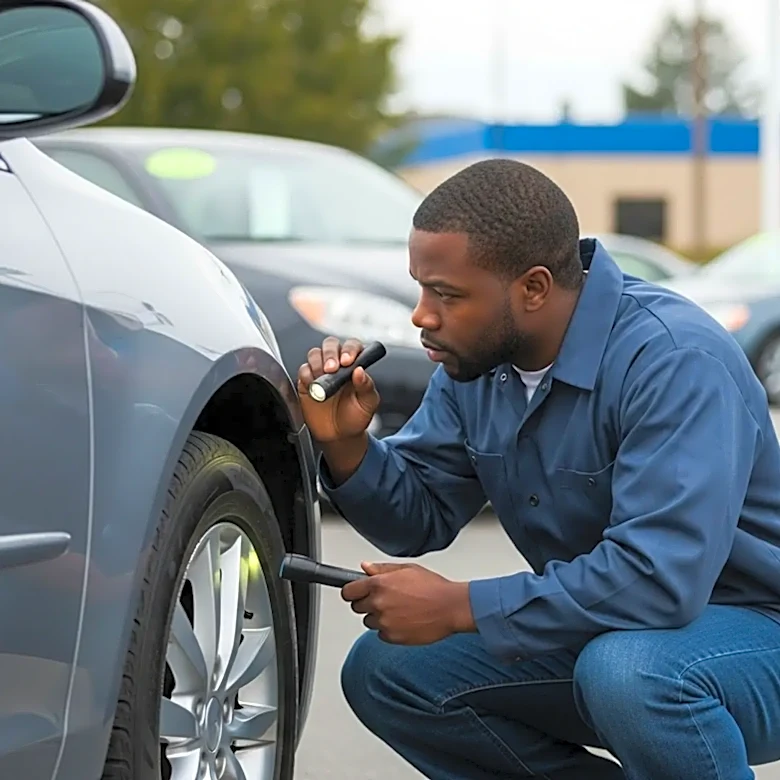
Despite the report indicating no accidents, Jemm noticed visible dents on the car. During the test drive, the brakes failed, nearly causing an accident. The dealership then asked Jemm to pay for new brakes, prompting him to leave. This incident underscores the limitations of Carfax reports, which may not capture all vehicle issues, as they rely on reported data from various sources. Carfax itself advises using their reports alongside a pre-purchase inspection.
Why It's Important?
This event is significant as it raises awareness about the potential pitfalls of relying solely on Carfax reports when purchasing used vehicles. Carfax reports are widely used in the U.S. to assess a car's history, but they may not include unreported accidents or repairs. This can lead to safety risks for consumers who assume a clean report guarantees a vehicle's condition. The incident serves as a cautionary tale for car buyers to conduct thorough inspections and not rely solely on history reports. It also highlights the need for transparency and accountability in the used car market, which could impact consumer trust and dealership practices.
What's Next?
Following this incident, there may be increased scrutiny on the reliability of Carfax reports and similar vehicle history services. Consumers might demand more comprehensive reporting and better inspection practices from dealerships. This could lead to changes in how dealerships present vehicle histories and possibly influence regulatory measures to ensure consumer safety. Additionally, car buyers may become more vigilant, seeking independent inspections before purchasing used vehicles. The incident could also prompt discussions within the automotive industry about improving data collection and reporting standards to prevent similar occurrences.