
What's Happening?
Memphis Mayor Paul Young has highlighted housing as the foundational element of the city's growth strategy. During an episode of NAHB’s podcast, 'Housing Developments,' Mayor Young discussed key housing programs
initiated to achieve the city's goal of creating 10,000 housing units in its core by 2030. He emphasized that quality housing is essential for strong schools, a growing economy, cultural vibrancy, and overall quality of life. The city is pursuing a 'Build Up, Not Out' strategy to efficiently deliver services by adding residents to established areas. This approach, however, faces challenges such as infrastructure issues in older parts of the city and an appraisal gap in historically underserved neighborhoods, where acquisition and construction costs can exceed appraised values.
Why It's Important?
This initiative is crucial for Memphis as it addresses multiple socio-economic challenges prevalent in many U.S. cities. By prioritizing housing, Mayor Young aims to combat urban sprawl, optimize city services, and foster economic growth. The focus on creating neighborhoods with a broader range of incomes is particularly significant, as it seeks to avoid concentrating poverty and instead promote diverse, integrated communities. Overcoming the appraisal gap and infrastructure challenges in older neighborhoods is vital for equitable development and revitalizing underserved areas. This strategy could serve as a model for other U.S. cities grappling with similar issues, demonstrating how a comprehensive housing plan can underpin broader urban development and improve the quality of life for all residents.
What's Next?
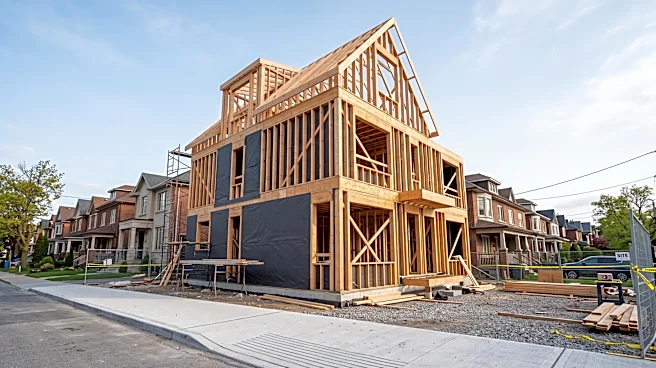
Memphis is tackling its housing challenges through a three-pronged approach: regulatory reform, financial incentives, and developer capacity building. Regulatory reforms include making zoning more supportive of infill and 'missing middle' housing types like duplexes and triplexes. Financial incentives involve utilizing tools such as Tax Increment Financing (TIF), Low-Income Housing Tax Credits (LIHTC), and New Markets Tax Credits (NMTC) to make projects financially viable. The city is also focused on training and supporting emerging developers willing to invest in historically neglected neighborhoods. With approximately 3,400 units already completed towards the 10,000-unit goal, the city aims to not only increase housing supply but also build stronger communities and enhance residents' quality of life by 2030.
Beyond the Headlines
The Memphis housing strategy extends beyond mere construction; it represents a profound commitment to social equity and community revitalization. By empowering local developers and focusing on infill development, the city is fostering a sense of ownership and pride within its neighborhoods. This approach can lead to more sustainable urban development, reducing reliance on outward expansion and preserving green spaces. The emphasis on mixed-income communities also addresses historical patterns of segregation and inequality, aiming to create more inclusive urban environments. The success of this initiative could inspire a paradigm shift in urban planning across the U.S., highlighting the long-term benefits of integrated housing strategies that prioritize community well-being over short-term gains, and demonstrating how local leadership can drive significant social change.