




What's Happening?
Mohammad Bagher Ghalibaf, the speaker of Iran's parliament, has set new conditions for upcoming negotiations with the United States, demanding the release of Iran's 'blocked assets' overseas. This demand comes just before scheduled talks between the two
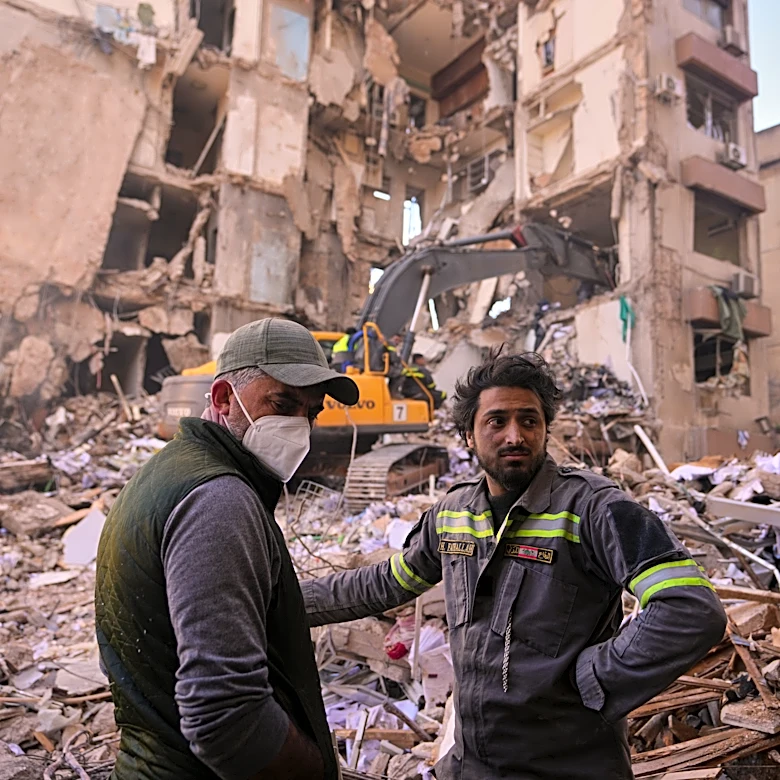
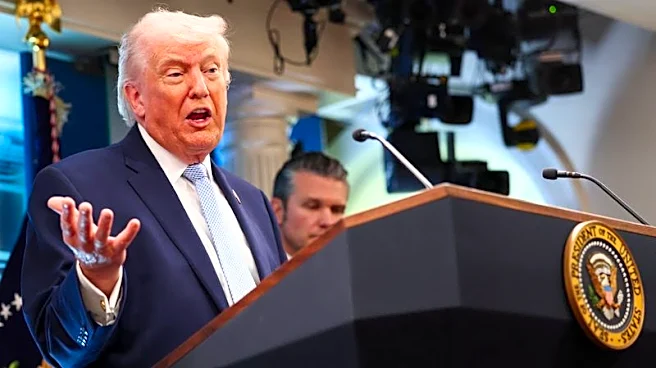
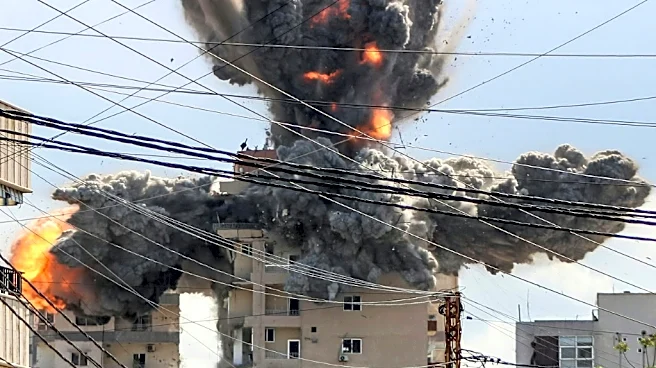
nations, adding complexity to the diplomatic efforts. Ghalibaf also insists on a cease-fire in Lebanon as a prerequisite for the negotiations, a point of contention between Washington and Tehran. The U.S. Treasury had previously frozen Iranian leadership accounts, which may be part of the assets in question. The cease-fire framework announced earlier this week is disputed, with Israel continuing strikes in southern Lebanon. The White House has indicated that the Iranian demands do not align with President Trump's basis for talks.
Why It's Important?
The demand for asset release and the insistence on a Lebanese cease-fire highlight the fragile nature of U.S.-Iran relations and the broader geopolitical tensions in the Middle East. The release of frozen assets could have significant economic implications for Iran, potentially easing financial pressures exacerbated by sanctions. The situation in Lebanon further complicates the diplomatic landscape, with ongoing Israeli strikes posing a threat to regional stability. The outcome of these negotiations could influence U.S. foreign policy and impact global oil markets, given Iran's strategic position in the Strait of Hormuz.
What's Next?
Negotiations are set to begin soon, but the fulfillment of Iran's preconditions remains uncertain. The U.S. and Iran must navigate these demands to avoid further escalation. The international community, including stakeholders in the Middle East, will be closely monitoring the talks, as their success or failure could have widespread consequences. The U.S. may need to consider diplomatic or economic concessions to facilitate progress, while Iran's adherence to its demands could stall negotiations.