
What's Happening?
U.S. Congressman Russ Fulcher (Idaho-01) has co-sponsored H.R. 9716, known as the Protecting Rights in Video and Equipment Acquired Discovery (PRIVACY) Act. This legislation aims to safeguard the privacy
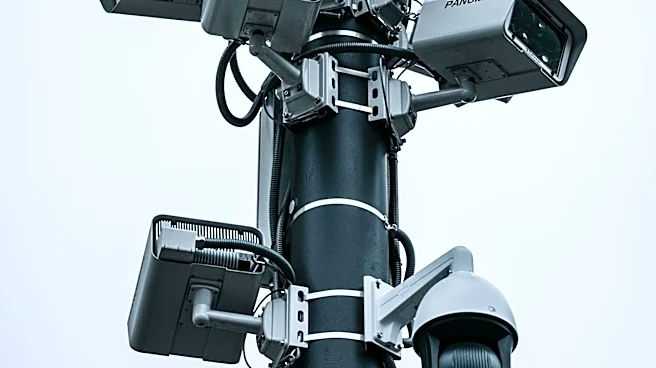
rights of Idahoans by restricting federal law enforcement agencies' access to surveillance data collected by state and local systems. The bill mandates that federal agencies must obtain a warrant from a Federal judge before accessing, receiving, querying, or otherwise obtaining data from intrusive technologies. These technologies include automated license plate readers (ALPRs), cameras capturing vehicle occupants, long-range microphones, and electronic fingerprint detection technology. Congressman Fulcher emphasized that the federal government should be required to secure a warrant if it wishes to access state and local systems' data on citizens. The PRIVACY Act also limits the retention of data obtained under a warrant to 30 days, unless it constitutes evidence in a prosecution or a court grants an extension. Furthermore, it prohibits the use of federal funds to purchase or install such intrusive technologies, with limited exceptions.
Why It's Important?
This legislation is important because it addresses growing concerns about government surveillance and the protection of individual privacy rights in the digital age. The increasing deployment of advanced surveillance technologies by state and local entities, often with federal funding, has raised questions about the scope of data collection and its potential misuse. By requiring a judicial warrant for federal access to this data, the PRIVACY Act seeks to establish a critical check on executive power and uphold Fourth Amendment protections against unreasonable searches and seizures. This could set a precedent for how federal agencies interact with state and local data systems, potentially influencing future legislation on data privacy. For citizens, it offers a layer of protection against what some perceive as intrusive data collection practices, ensuring that their information is not indiscriminately accessed by federal authorities. For technology developers and government contractors, it could introduce new compliance requirements and limitations on the sale and deployment of surveillance tools.
What's Next?
The PRIVACY Act, H.R. 9716, will proceed through the legislative process in the U.S. Congress. Its future will depend on gaining further support from lawmakers, navigating committee reviews, and potentially undergoing amendments. If passed, the bill would necessitate significant adjustments in how federal law enforcement agencies operate and interact with state and local surveillance systems. State and local governments that utilize these technologies would also need to ensure their data collection and sharing practices align with the new federal requirements. The legislation could also spark broader debates about the balance between national security interests and individual privacy rights, potentially leading to further legislative proposals or legal challenges regarding government surveillance. Advocacy groups focused on civil liberties and privacy are likely to closely monitor the bill's progress and engage in public discourse surrounding its implications.
Beyond the Headlines
The PRIVACY Act touches upon fundamental questions regarding the nature of privacy in an increasingly monitored society and the appropriate boundaries of government power. The proliferation of surveillance technologies, while often justified for public safety, creates a vast network of data that can be aggregated and analyzed, potentially leading to unforeseen implications for civil liberties. This bill highlights the tension between technological advancement and constitutional rights, particularly the right to privacy. It also underscores the ongoing debate about federalism, as it seeks to regulate how federal agencies can access data collected by state and local entities. The legislation could contribute to a broader cultural shift in how Americans perceive and demand privacy from both government and private entities, potentially influencing future legal interpretations of privacy in the context of emerging technologies. The ethical considerations of widespread surveillance, including potential for bias and discrimination, are also implicitly addressed by the call for judicial oversight.