

What's Happening?
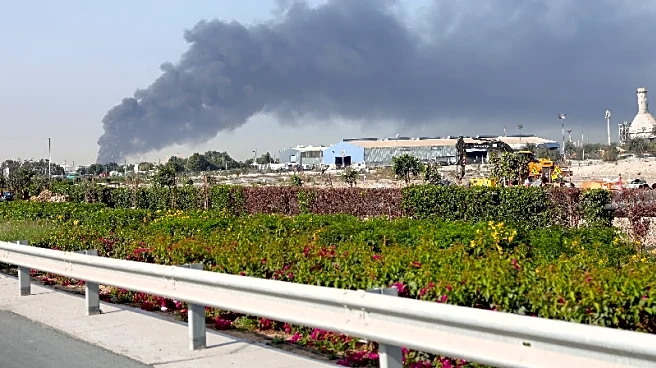
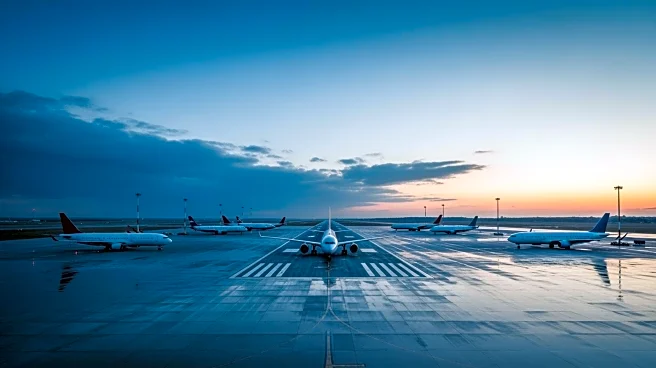
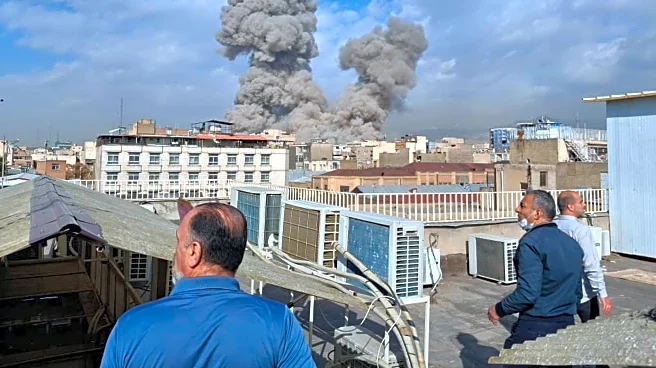
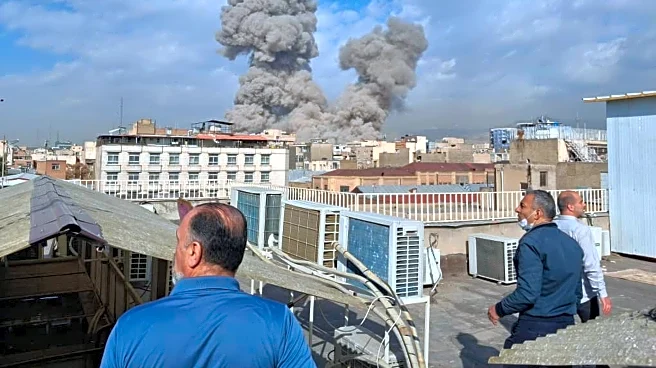
Airlines worldwide have suspended routes and rerouted planes following strikes by the United States and Israel on targets in Iran, leading to widespread airspace closures and airport disruptions. According to Flightradar24, at least 145 flights in the Middle
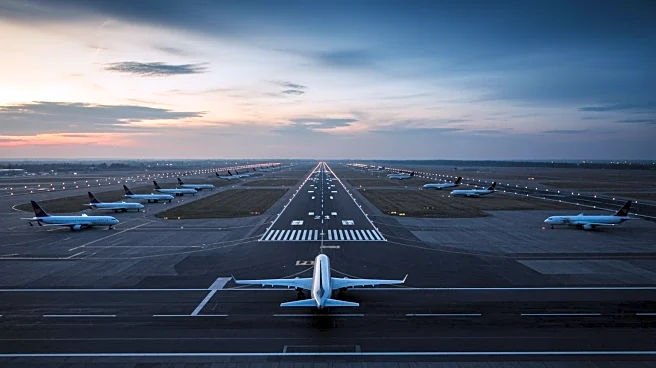
East were diverted to 73 destinations, significantly impacting hubs that typically manage extensive transit flows between Europe and Asia. The closures affected airspace over Iran, Iraq, Kuwait, Bahrain, and Qatar, with major Gulf hubs like Doha and Dubai temporarily halting arrivals and departures. Airlines such as Lufthansa, British Airways, Qatar Airways, and Emirates have suspended services and rerouted flights as a precaution. Passengers at major airports faced immediate disruptions, with multiple cancellations and long queues for rebooking and refunds.
Why It's Important?
The disruption in Middle Eastern airspace is significant due to the region's role as a central transit point between Europe and Asia. The inability to use Russian and Ukrainian airspace has already strained airlines, and this new development compounds the pressure on congested hubs and frustrated travelers. The situation highlights the vulnerability of global air travel to geopolitical tensions and the cascading effects on international travel and commerce. Airlines are prioritizing safety and customer service, offering rebooking and refunds, but the fluid situation requires passengers to stay updated on potential schedule changes.
What's Next?
As the situation remains fluid, airlines and civil aviation authorities are expected to continue adjusting operations in response to evolving security assessments. Passengers with travel plans involving the region should monitor live updates from their airlines. The ongoing geopolitical tensions may lead to further disruptions, and airlines will need to navigate these challenges while ensuring passenger safety and minimizing inconvenience.