





What's Happening?
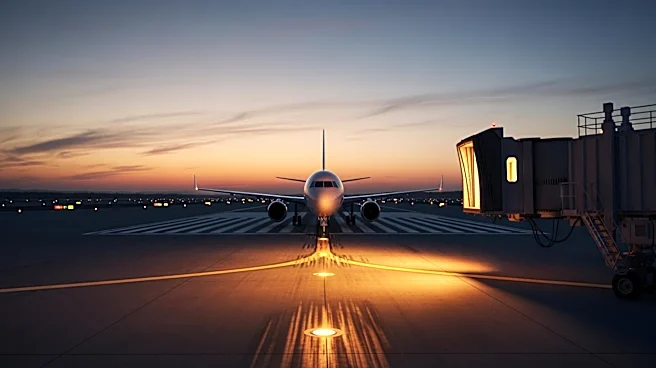
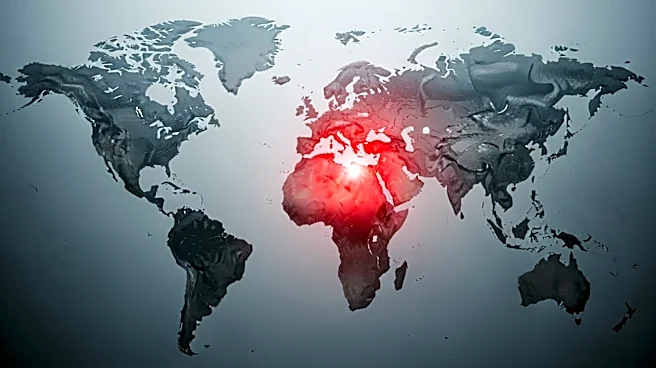
The ongoing conflict in Iran has led to airspace closures across key Middle East hubs, significantly boosting Singapore Airlines Group's (SIA) passenger traffic in March. The group, which includes the mainline operator SIA and its low-cost unit Scoot,
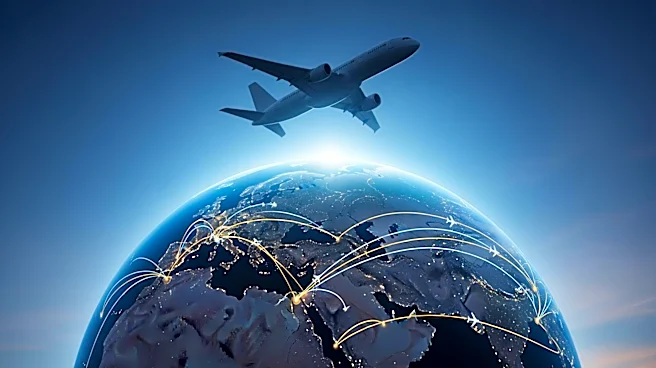
reported carrying 3.8 million passengers during the month, marking a 14.9% increase year-on-year and achieving the highest-ever monthly passenger volume. The group's traffic rose by 14.7%, outpacing a capacity growth of 7.2%, resulting in a passenger load factor of 90.6%. This growth is attributed to increased 'spillover' Europe-bound traffic following the onset of the conflict around February 28. The conflict has disrupted operations at major Middle East hubs like Dubai and Doha, forcing carriers such as Emirates, Etihad Airways, and Qatar Airways to reduce capacity. In response, SIA and other Asian airlines like Malaysia Airlines and Cathay Pacific have added extra flights to Europe to meet the surge in travel demand.
Why It's Important?
The increase in passenger traffic for Singapore Airlines Group highlights the significant impact geopolitical conflicts can have on global air travel patterns. The disruption in Middle East airspace has shifted travel demand, benefiting airlines that can capitalize on the rerouted traffic. This situation underscores the vulnerability of international air travel to regional conflicts, which can lead to sudden changes in airline operations and passenger flows. For U.S. stakeholders, this development may influence airline strategies and partnerships, particularly for those involved in Asia-Europe routes. Additionally, it highlights the importance of flexible operational strategies for airlines to adapt to geopolitical disruptions.
What's Next?
As the conflict in Iran continues, airlines will likely need to adjust their operations to accommodate ongoing airspace restrictions. Singapore Airlines Group and other carriers may continue to benefit from increased traffic if the situation persists. However, the long-term impact will depend on the duration of the conflict and any potential resolutions. Airlines may also explore strategic partnerships or alliances to optimize their routes and capacity in response to changing travel demands. Monitoring the geopolitical situation will be crucial for airlines to maintain operational efficiency and capitalize on emerging opportunities.