
What's Happening?
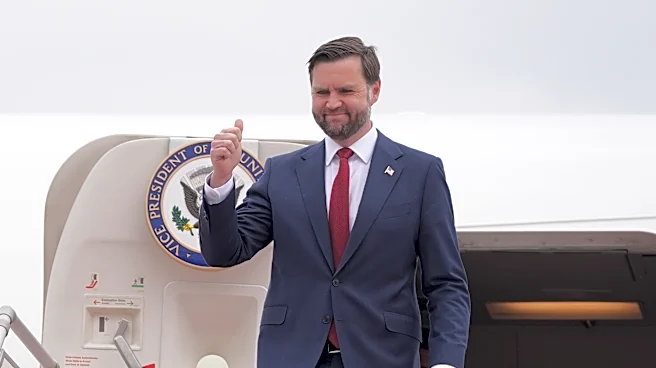
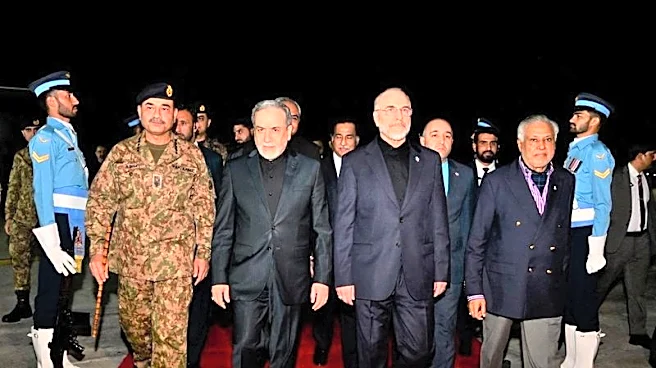
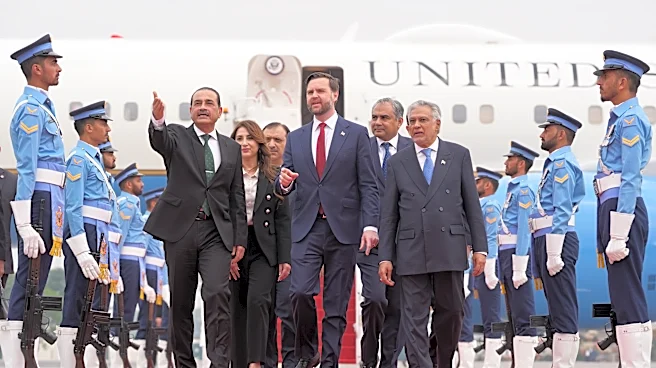
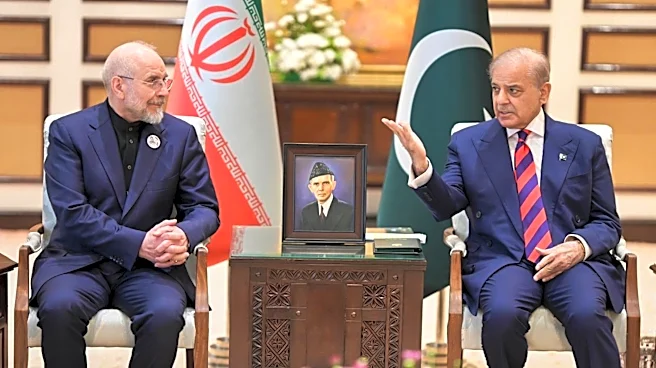
High-stakes peace negotiations between the United States and Iran are set to take place in Islamabad, Pakistan. The talks come amid ongoing tensions in the Strait of Hormuz, a critical maritime passage
for global oil shipments. Recent ship tracking data indicates limited vessel movement through the Strait, with only a few Chinese tankers and bulk carriers transiting the area. President Trump has criticized Iran's handling of oil transit, accusing Tehran of breaching agreements. Iran, in turn, claims the US has violated ceasefire terms, citing Israeli strikes against Hezbollah in Lebanon. The situation underscores the fragile nature of regional security and the importance of diplomatic efforts to resolve conflicts.
Why It's Important?
The negotiations between the US and Iran are crucial for regional stability and global energy security. The Strait of Hormuz is a vital chokepoint for oil exports, and disruptions can have significant impacts on global markets. Successful talks could lead to de-escalation and improved relations, potentially easing tensions and ensuring the free flow of oil. However, failure to reach an agreement could exacerbate existing conflicts, leading to further instability and economic repercussions. The outcome of these talks will be closely watched by international stakeholders, including energy companies and governments, as they navigate the complexities of Middle Eastern geopolitics.
What's Next?
The peace talks in Islamabad may set the stage for future diplomatic engagements between the US and Iran. Both countries will need to address key issues, including maritime security and regional conflicts, to achieve meaningful progress. The international community, particularly countries reliant on Middle Eastern oil, will be monitoring the situation closely. Potential outcomes could include agreements on maritime transit protocols or broader security arrangements. However, ongoing tensions and mutual distrust may pose challenges to achieving lasting peace. The talks may also influence US foreign policy in the region, impacting alliances and strategic priorities.