




What's Happening?
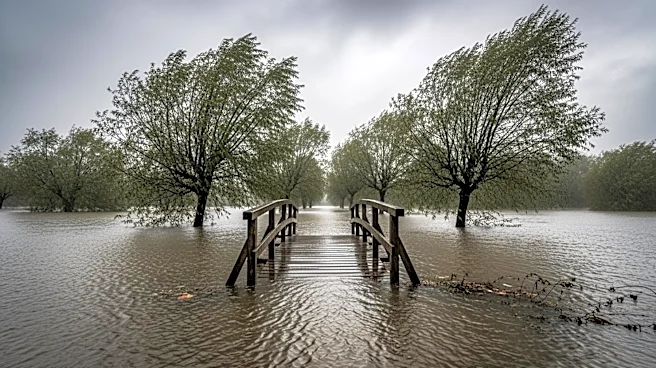
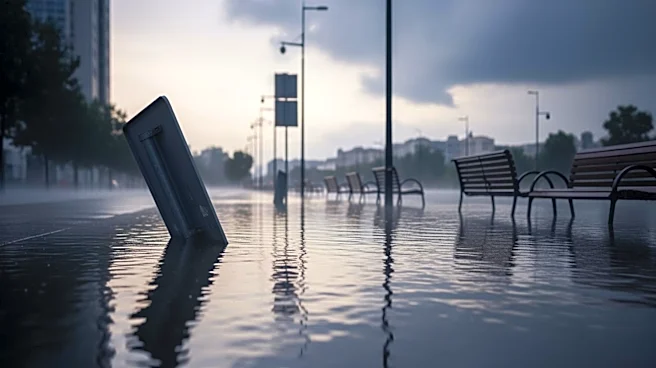
Wellington, the capital of New Zealand, has been hit by severe flooding, leading to a state of emergency. The flooding, which began on Monday, resulted in significant damage across the city, with rainfall totals nearly tripling the monthly averages. More
than 70mm of rain fell in one hour in parts of southern Wellington, marking the highest on record for the city. The floods caused rivers to rush through streets, flipped cars, and led to landslides. The body of Philip Sutton, who was swept away by the floodwaters while looking after a property in Karori, was found some distance from his car. Search and rescue operations were initially hampered by further torrential rain. Despite the lifting of rain and wind warnings, the state of emergency remains in place due to ongoing hazards such as landslides and unstable structures.
Why It's Important?
The flooding in Wellington underscores the increasing frequency and intensity of extreme weather events, which can have devastating impacts on communities. The state of emergency highlights the urgent need for effective disaster response and preparedness strategies. The situation in Wellington serves as a reminder of the potential consequences of climate change, as cities around the world may face similar challenges. The community's response, with residents coming together to assist in clean-up efforts, demonstrates resilience and the importance of local support networks in times of crisis. The economic impact of the flooding, including damage to homes and businesses, could be significant, affecting local economies and requiring substantial recovery efforts.
What's Next?
As Wellington continues to recover from the flooding, emergency services and response teams are working to address the immediate needs of affected residents. The city council has urged residents to avoid self-deploying to assist with clean-up efforts due to ongoing hazards. The focus will likely shift to assessing the full extent of the damage and implementing measures to prevent future flooding. This may include infrastructure improvements and enhanced flood management strategies. The situation may also prompt discussions on climate adaptation and resilience planning at both local and national levels.