




What's Happening?
U.S. electricity demand has been steadily climbing for the past five years, creating an urgent need for new energy resources. However, complex review processes for connecting these resources have delayed over 2,060 gigawatts of generation and storage
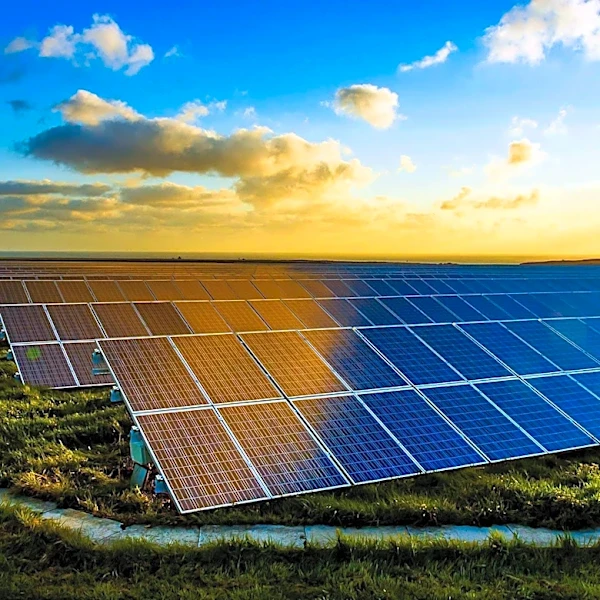
capacity nationwide. In Ohio and Pennsylvania, new energy resources typically take more than five years to become operational, leading to surging generation costs. Two new studies, funded by Pew Charitable Trusts, suggest that 'surplus interconnection service' (SIS) could offer a solution. SIS allows new energy resources, such as solar farms or utility-scale batteries, to connect to the grid by utilizing the unused capacity of existing power plants. This mechanism leverages the fact that many power plants operate below their maximum potential for significant portions of the year, effectively allowing new resources to 'piggyback' on existing grid connections.
Why It's Important?
The long interconnection timelines and rising generation costs in Ohio and Pennsylvania are indicative of a broader national challenge that hinders the integration of new energy resources and impacts ratepayers. The proposed SIS mechanism is crucial for the U.S. energy transition because it offers a pathway to rapidly and cost-effectively bring new generation and storage online. By utilizing existing, underutilized grid capacity, SIS can bypass the lengthy and expensive traditional interconnection processes. This not only accelerates the deployment of renewable energy and other new resources but also significantly reduces interconnection costs for ratepayers. For example, the Ohio study found that SIS could save ratepayers an estimated $1.8 billion, or about $367 per household, and cut the time to bring new energy online to as little as 12 to 18 months. This efficiency is vital for meeting growing electricity demand, stabilizing energy prices, and achieving clean energy goals.
What's Next?
The findings from these studies suggest that policymakers in Ohio and Pennsylvania, and potentially other states, could take steps to encourage the development of low-cost SIS resources. This might involve legislators and regulators requiring utilities to evaluate adding SIS to their generation fleets, similar to actions already taken in Indiana and Virginia. Such evaluations could be integrated into existing utility processes, like integrated resource plans, or through new processes specifically designed to identify SIS potential. Additionally, regulators could explore streamlining the siting and permitting processes for SIS projects, as these are typically located at or near already-permitted power plants, which could further reduce delays and costs. The success of SIS could serve as a model for other regions facing similar interconnection challenges, accelerating the national energy transition.
Beyond the Headlines
The concept of surplus interconnection service highlights a deeper issue within the U.S. energy infrastructure: the underutilization of existing assets. This inefficiency represents a significant opportunity for innovation and optimization, moving beyond simply building new infrastructure to making smarter use of what is already in place. Ethically, SIS promotes a more resource-efficient approach to energy development, reducing the environmental footprint associated with new construction. Legally and regulatory, its implementation will require careful consideration of market rules, compensation mechanisms, and grid stability protocols to ensure fair access and reliable operation. Culturally, it could foster a more collaborative approach between different types of energy producers, encouraging the integration of diverse generation sources. Ultimately, SIS represents a pragmatic and potentially transformative strategy for accelerating the clean energy transition by unlocking hidden capacity within the existing grid, demonstrating that sometimes the most impactful solutions lie in optimizing current resources.